
The Brammock Rods, Bishop's Quarry and the Cromlech.
23rd July 2026
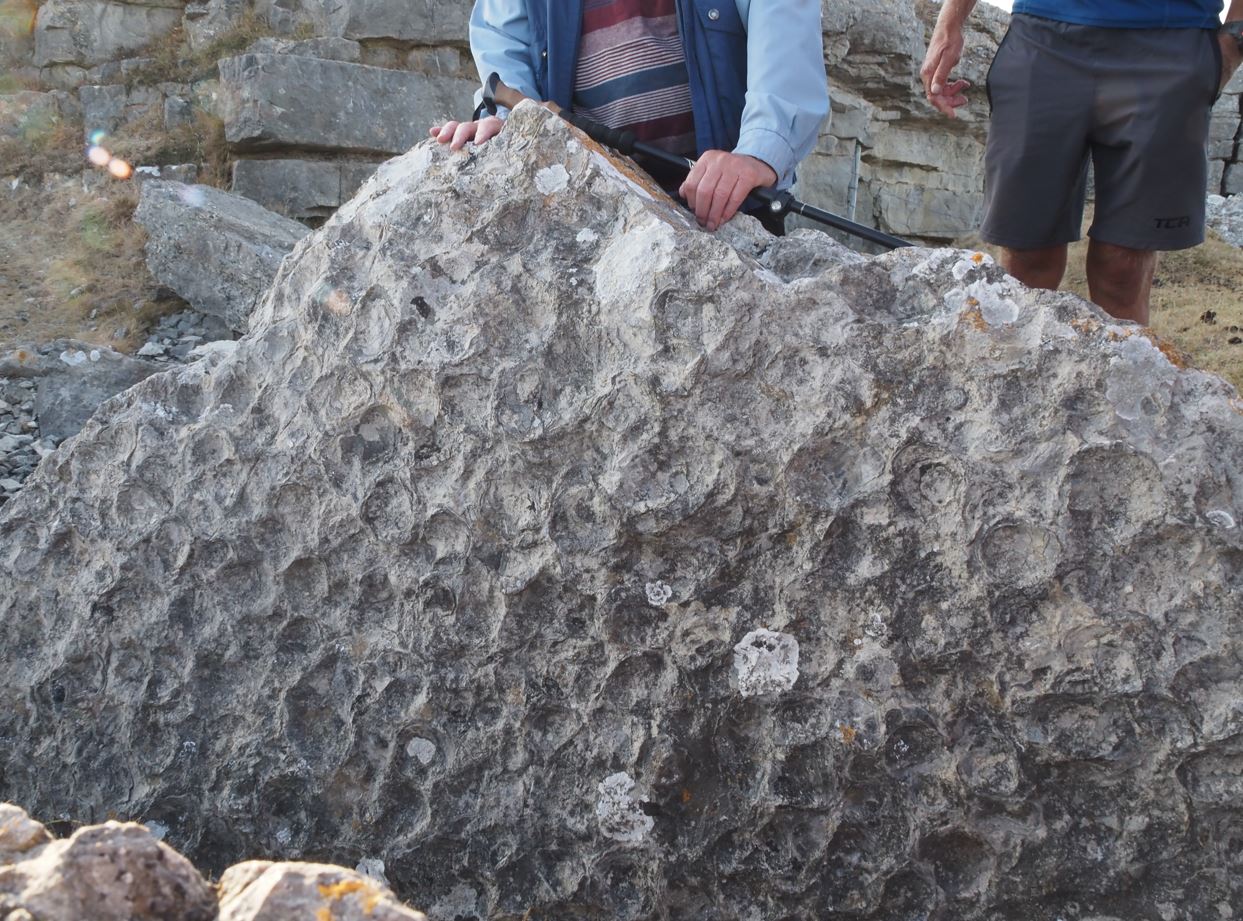
This week’s somewhat hastily re-arranged walk took in Bronze Age and Industrial Revolution era copper mining, four places of worship, and a Neolithic cromlech. Looking down onto the open cast Bronze Age copper mine, Adrian explained how the site was destined to be turned into a municipal carpark until archaeologists discovered one of the oldest Bronze Age mines in the world. This area was then re-worked during the eighteenth and nineteenth centuries but the big problem for the miners during the Industrial Revolution era was flooding, for the deeper they went – the wetter they got and that is why the Brammock Rod system was installed to dewater the mine. Thanks to GOES members, several of the pits have been excavated and replica wooden frames built along with an interpretation panel. After the completion of the Pen Morfa Adit in 1842 the Brammock rods ceased to have any relevance and over the years the structure deteriorated. We continued the walk up to ‘Fossil’ Quarry where it was explained how Carboniferous limestone was formed from the shells and hard parts of millions of sea creatures, encased in carbonate mud. Fossil corals, brachiopods and crinoids are frequently in evidence as components of Carboniferous limestone. Dropping down to Pen y Ffridd we admired the little row of miners’ cottages that were derelict for nigh on fifty years until put up for sale in the 1980s and transformed from eleven abodes into three homes. Within this small geographic area there were once four places of worship and we compared them today with old images before exploring the burial chamber known as Llety’r filiast – the abode of the Greyhound. Believed to date from the Neolithic period between 6000 and 4500 years ago, the capstone is now missing and there has been significant damage over the centuries.
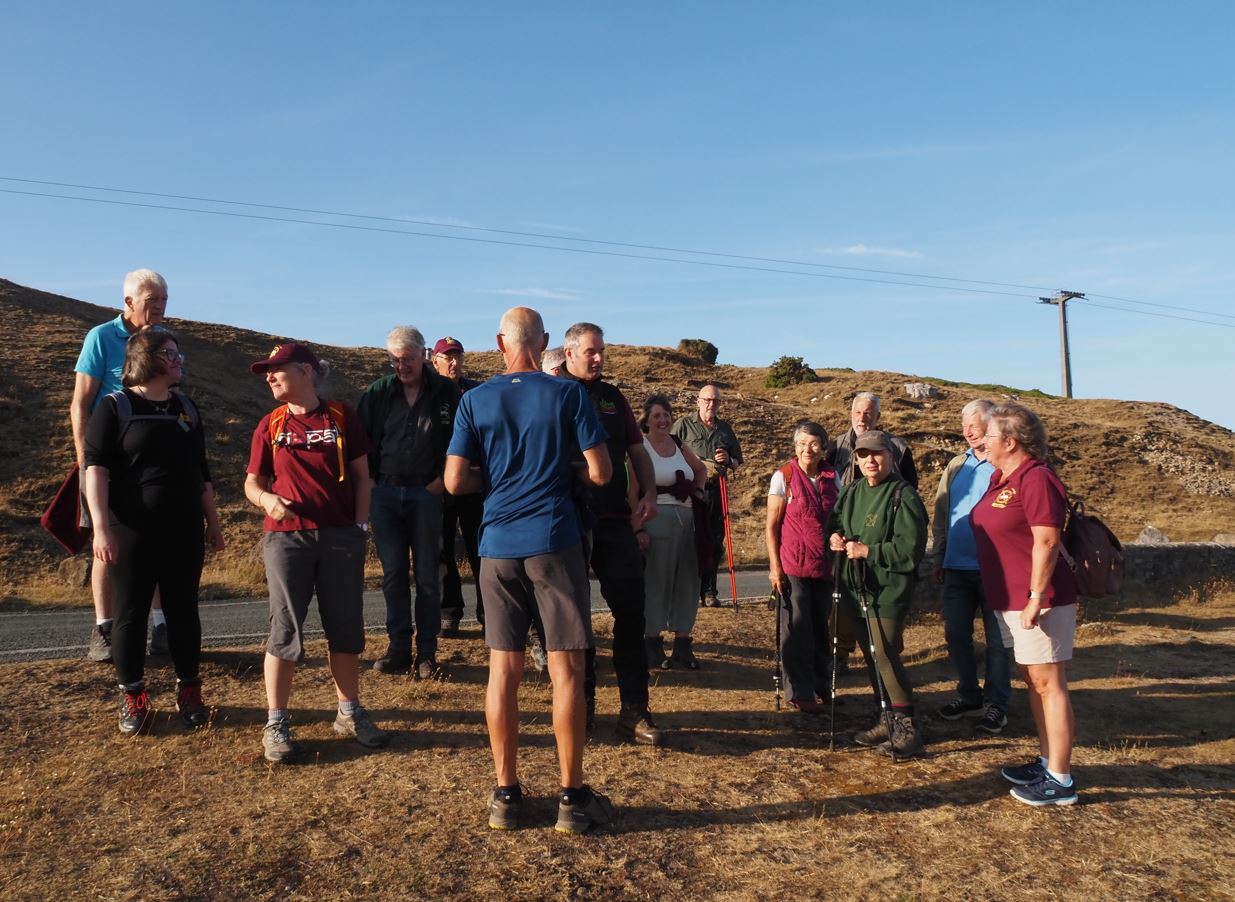
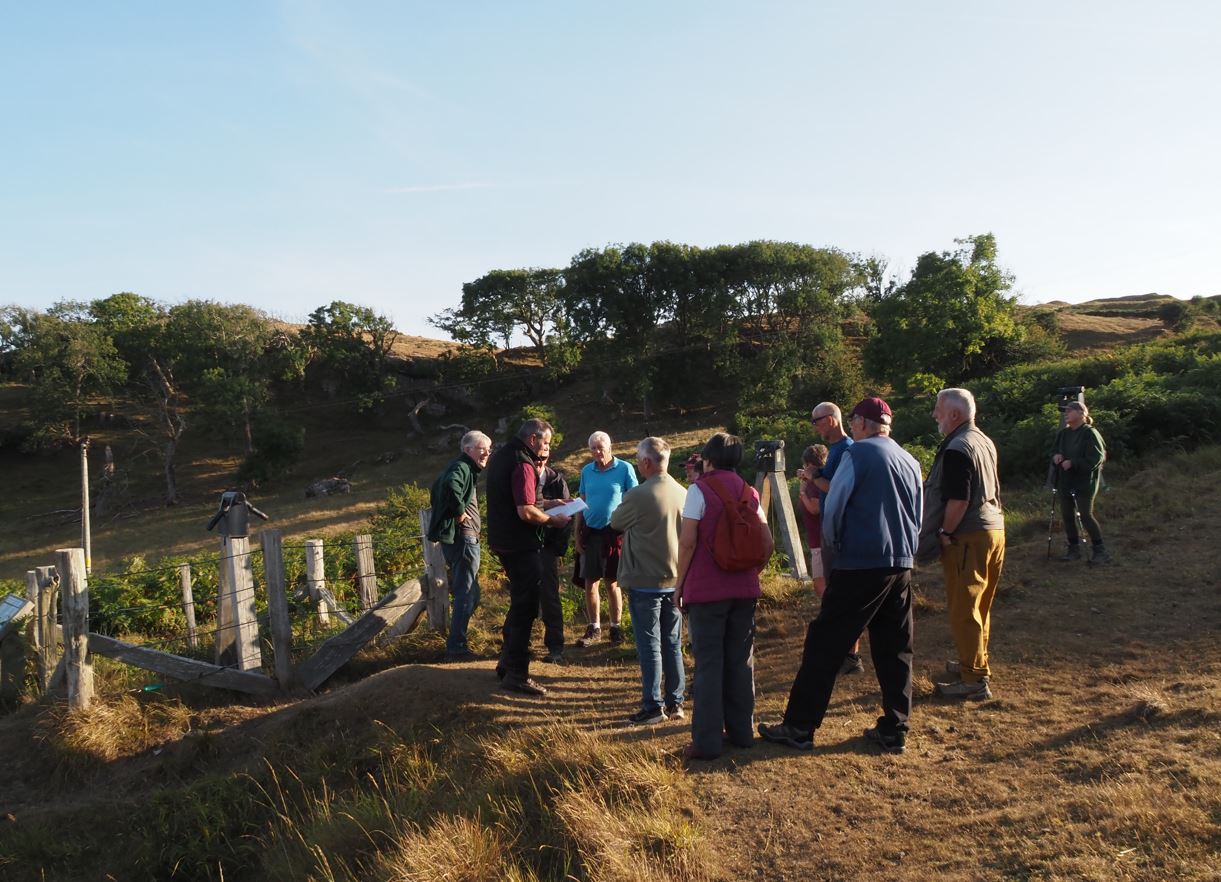
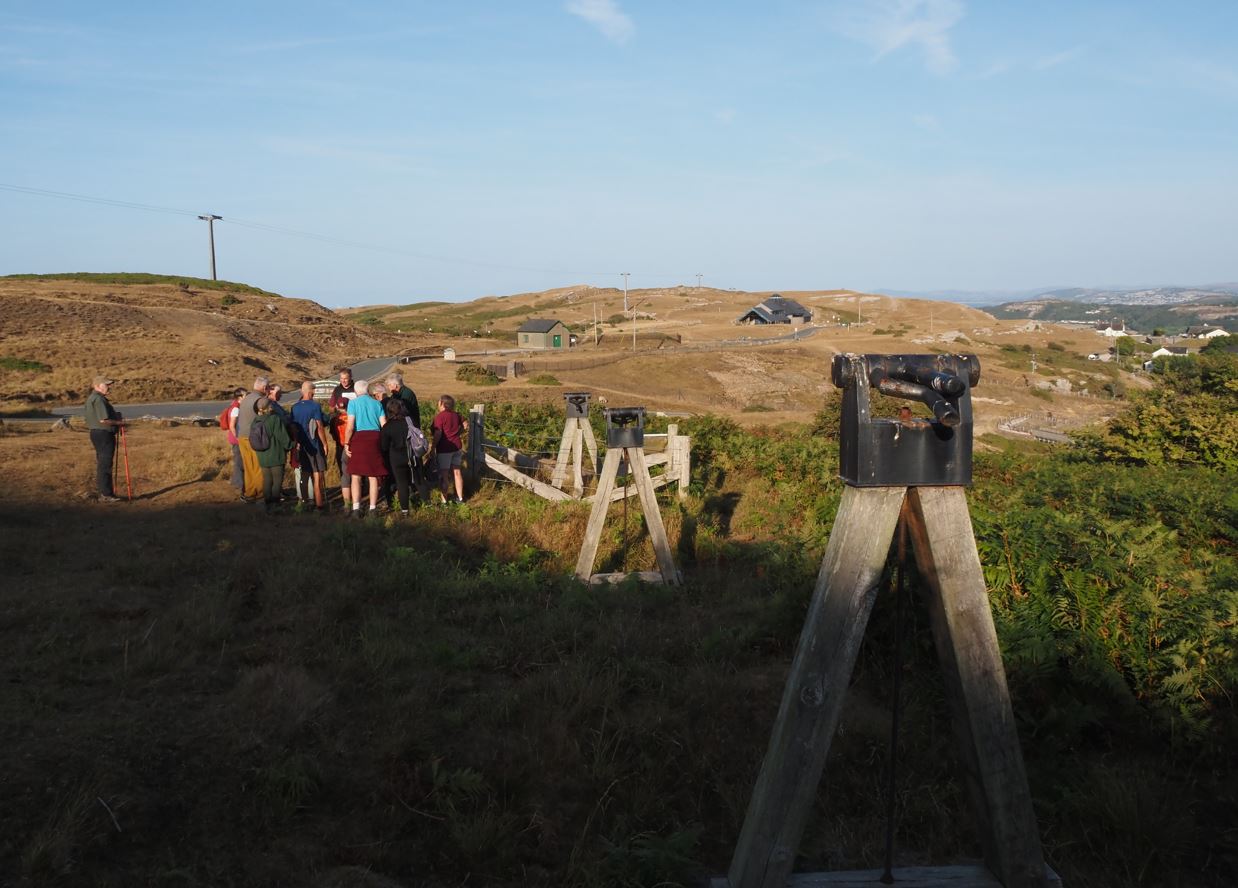
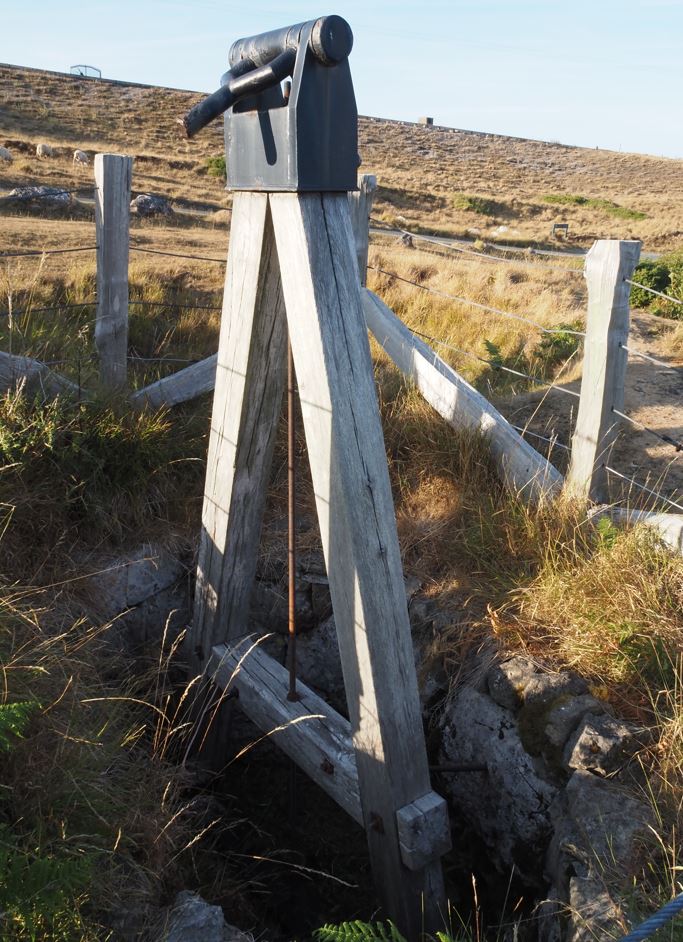


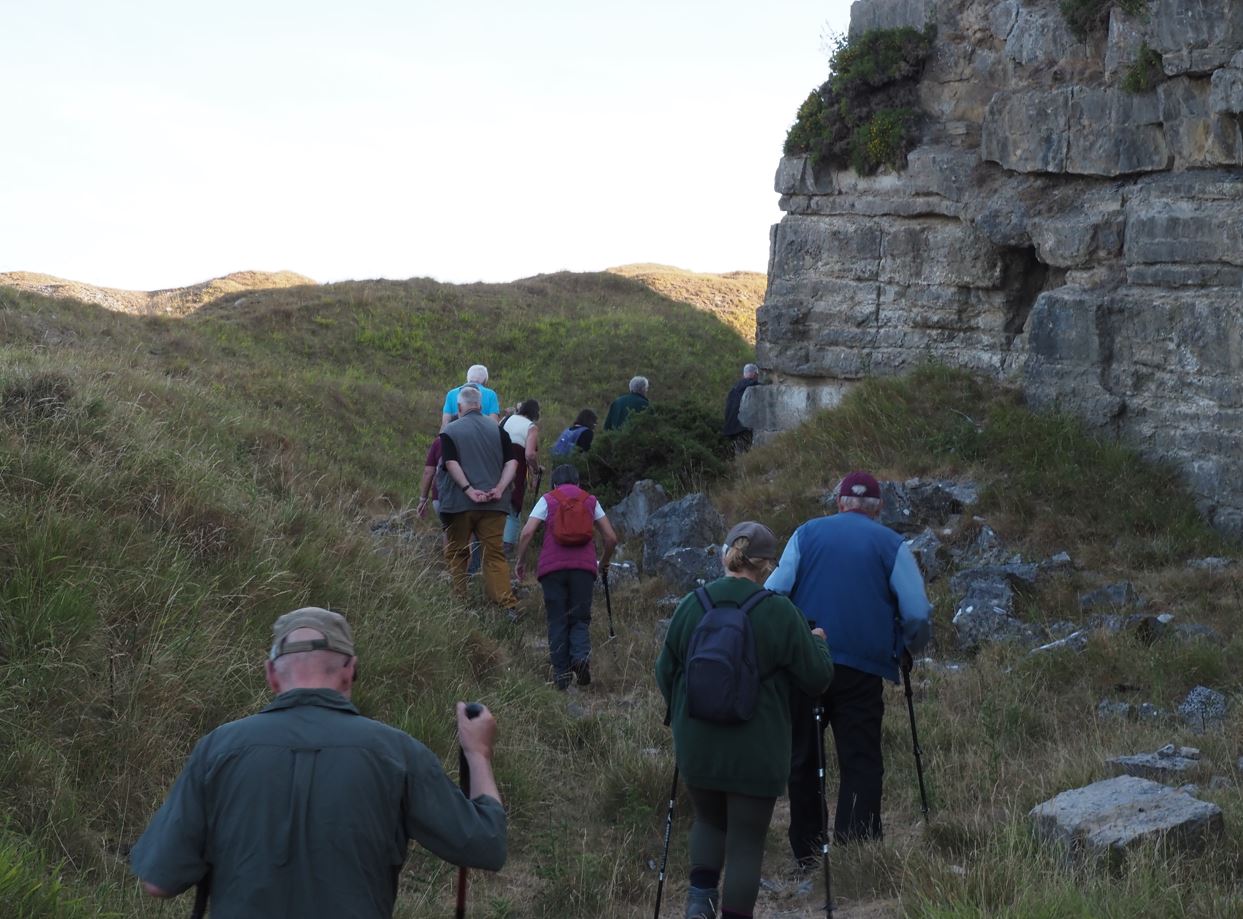
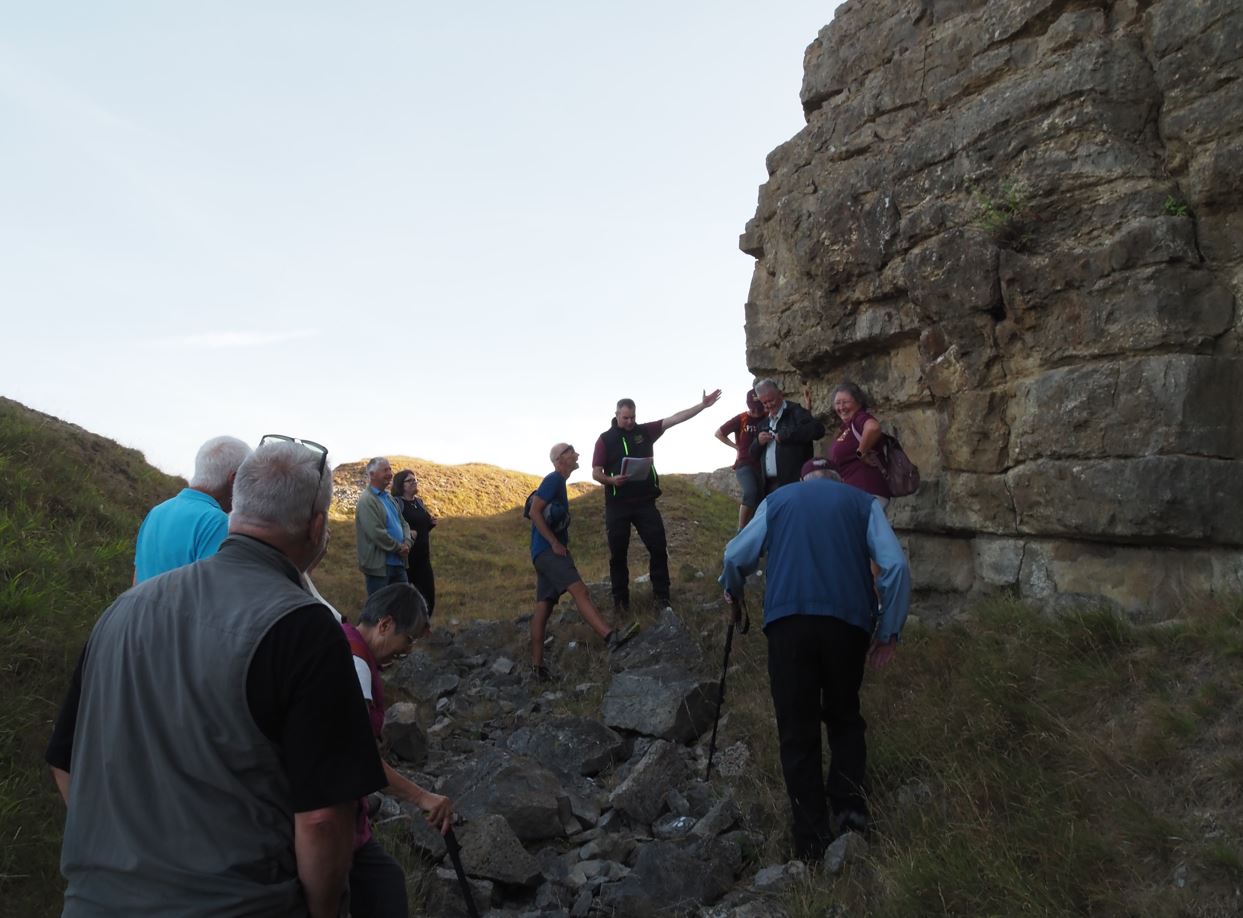
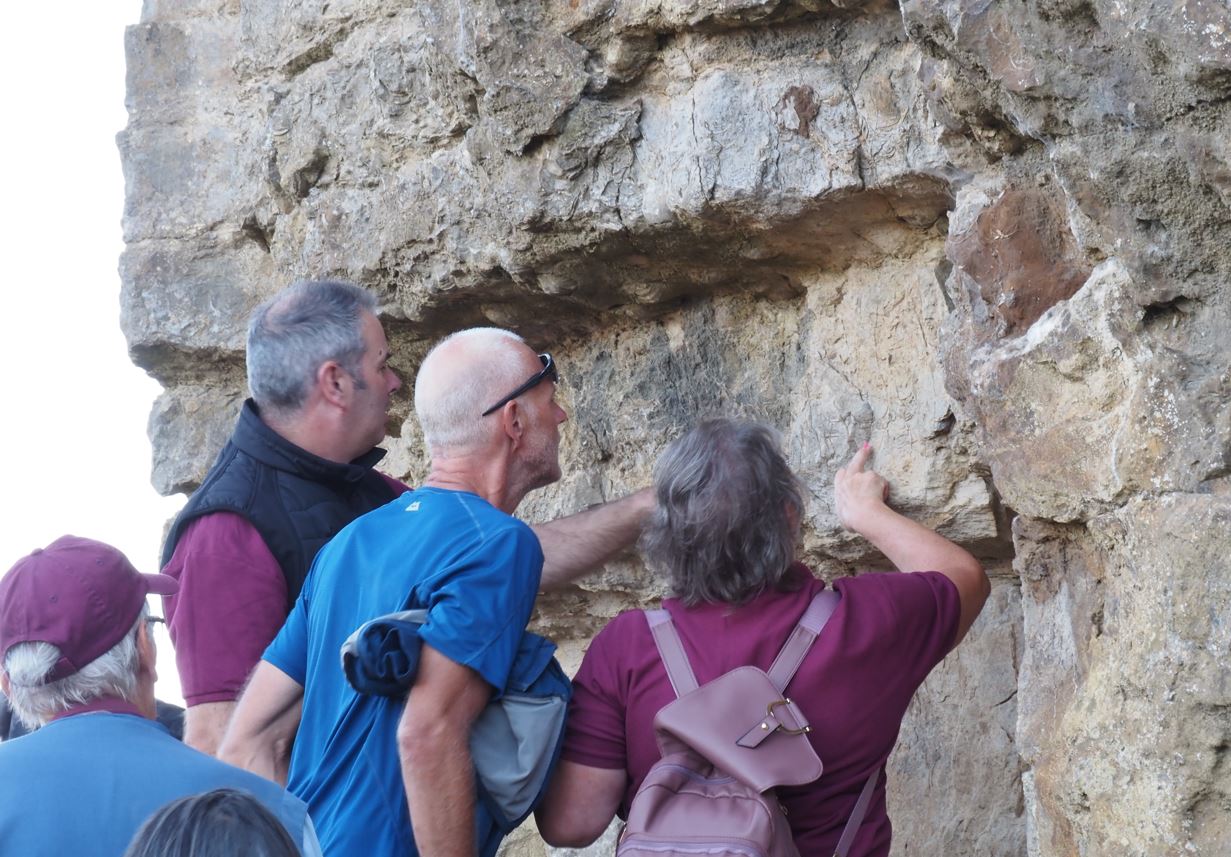

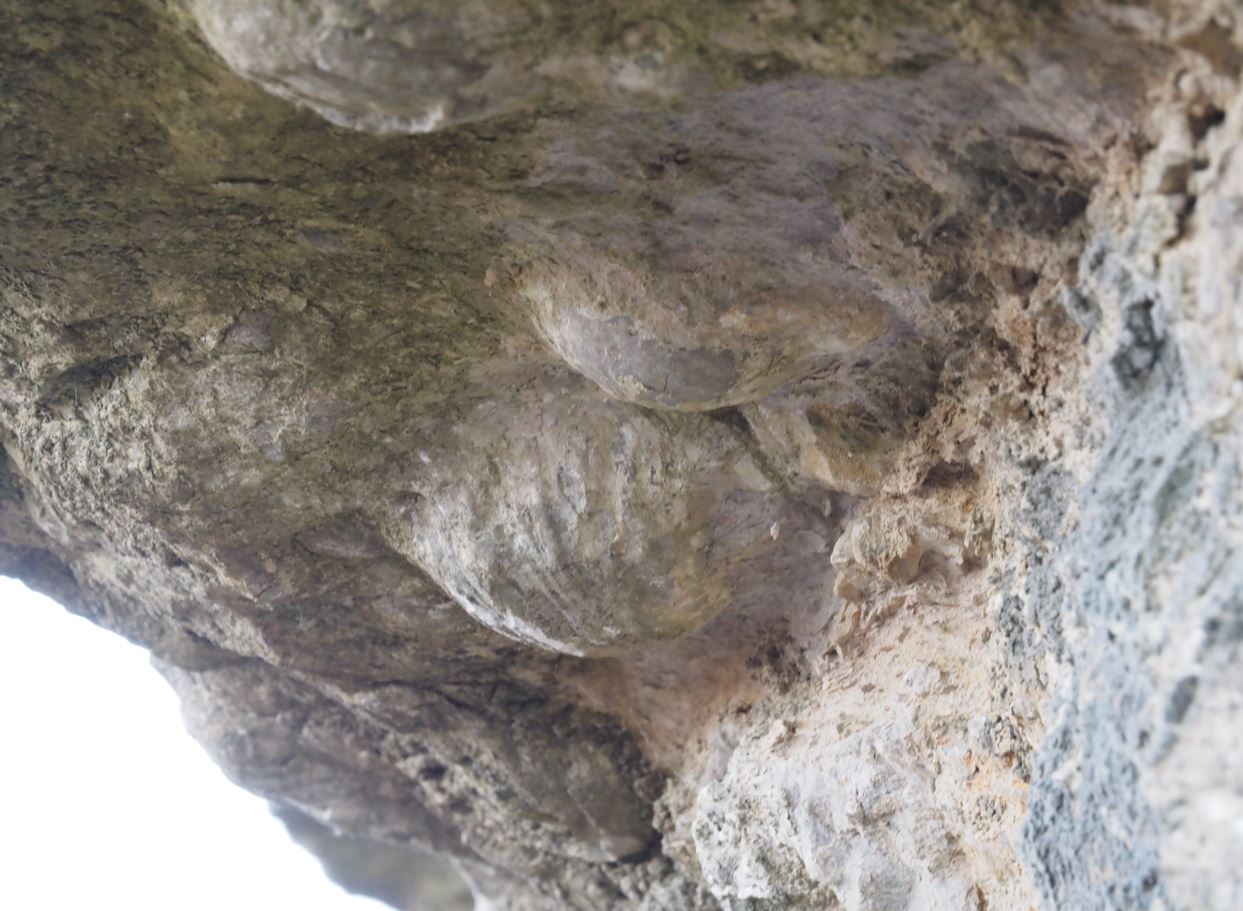
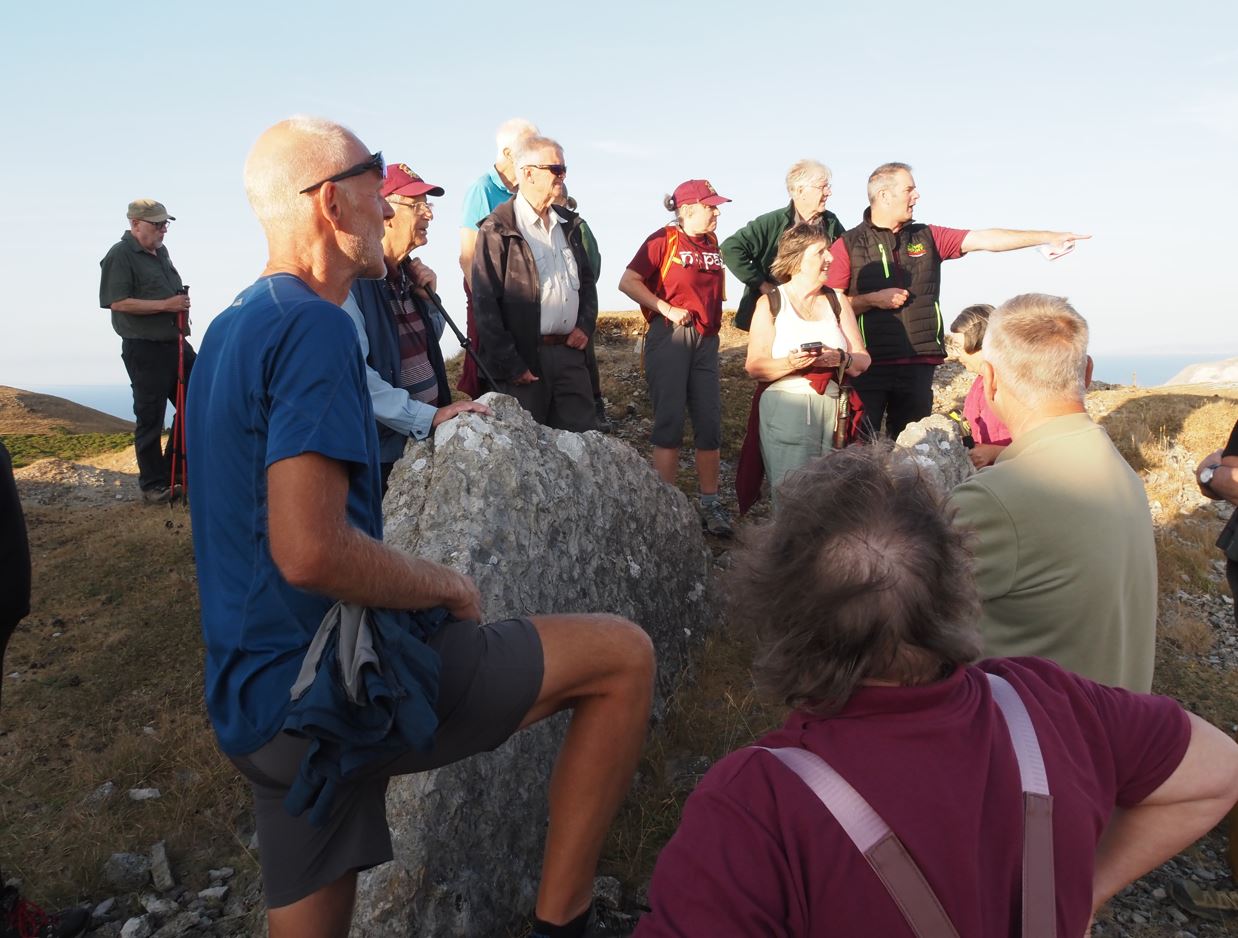
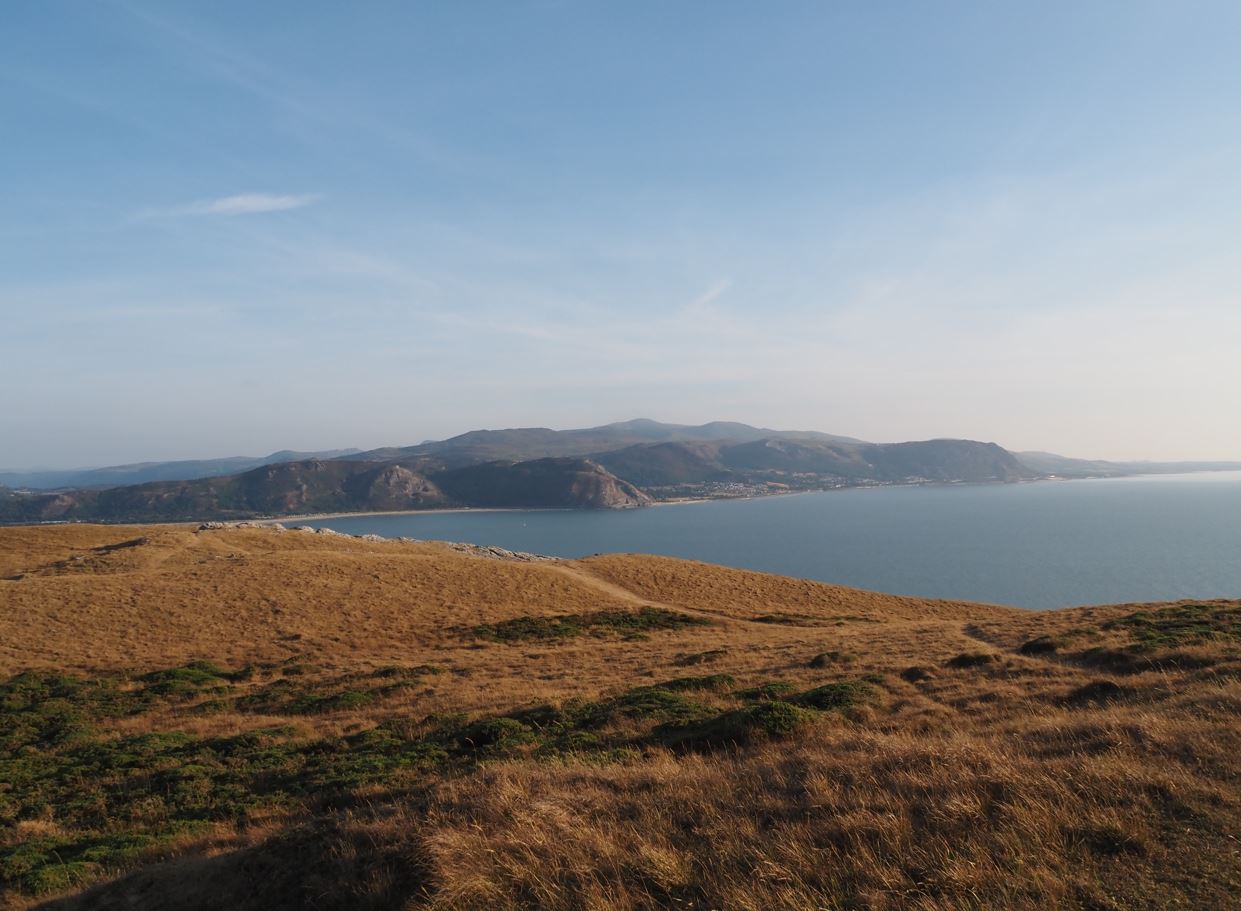
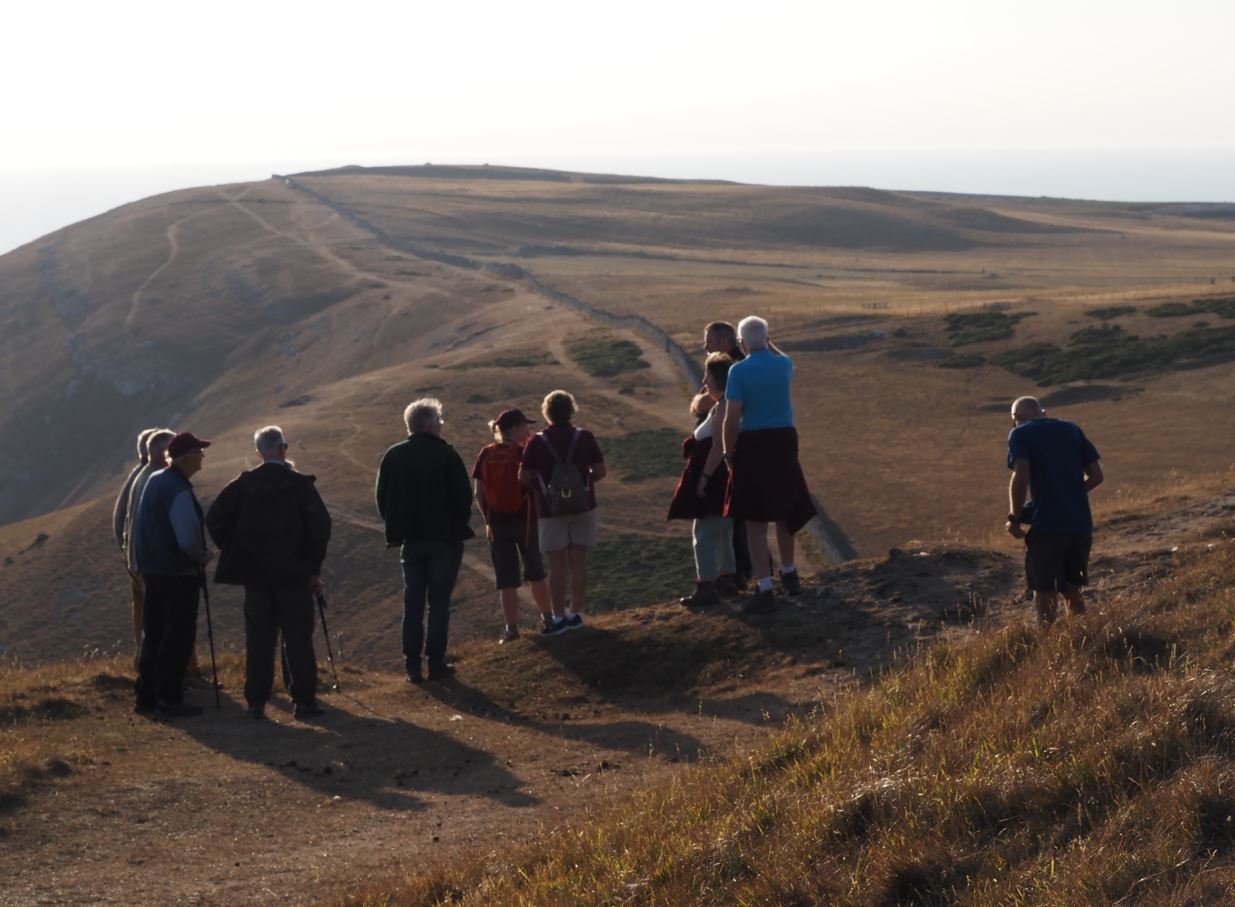
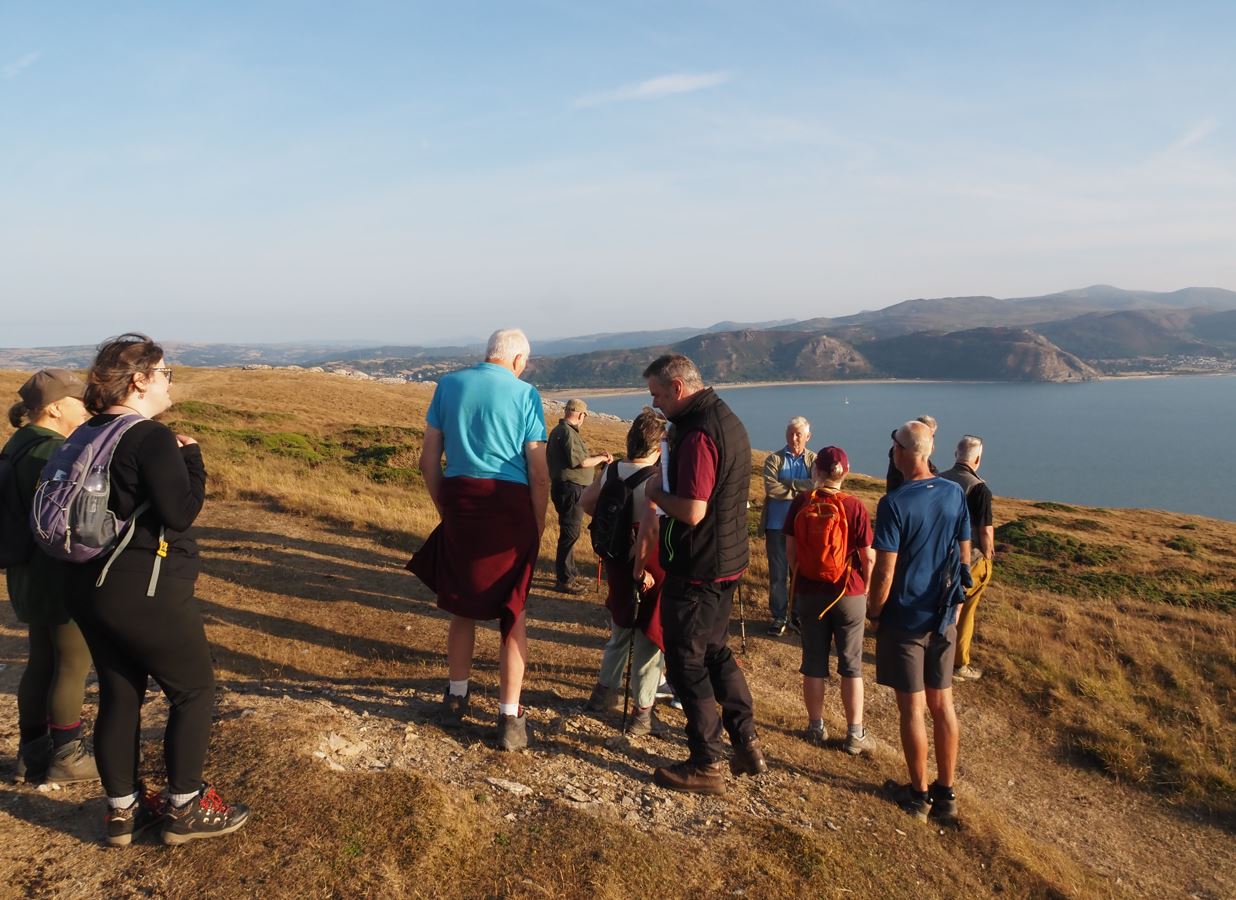
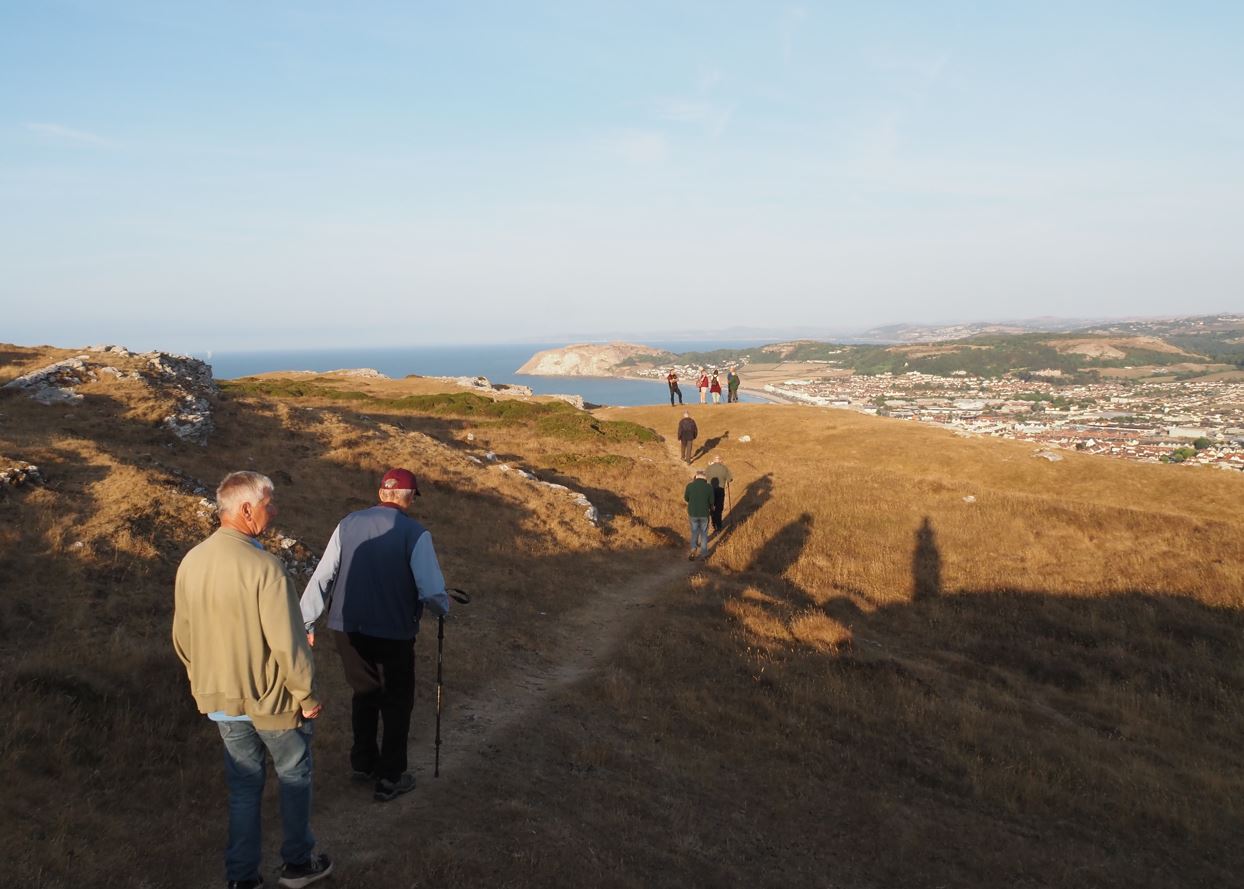


Many thanks to Adrian for stepping in and leading this walk and thanks to Christine for the amazing pictures.