
Christine's Wildflower Wander.
2nd July 2026
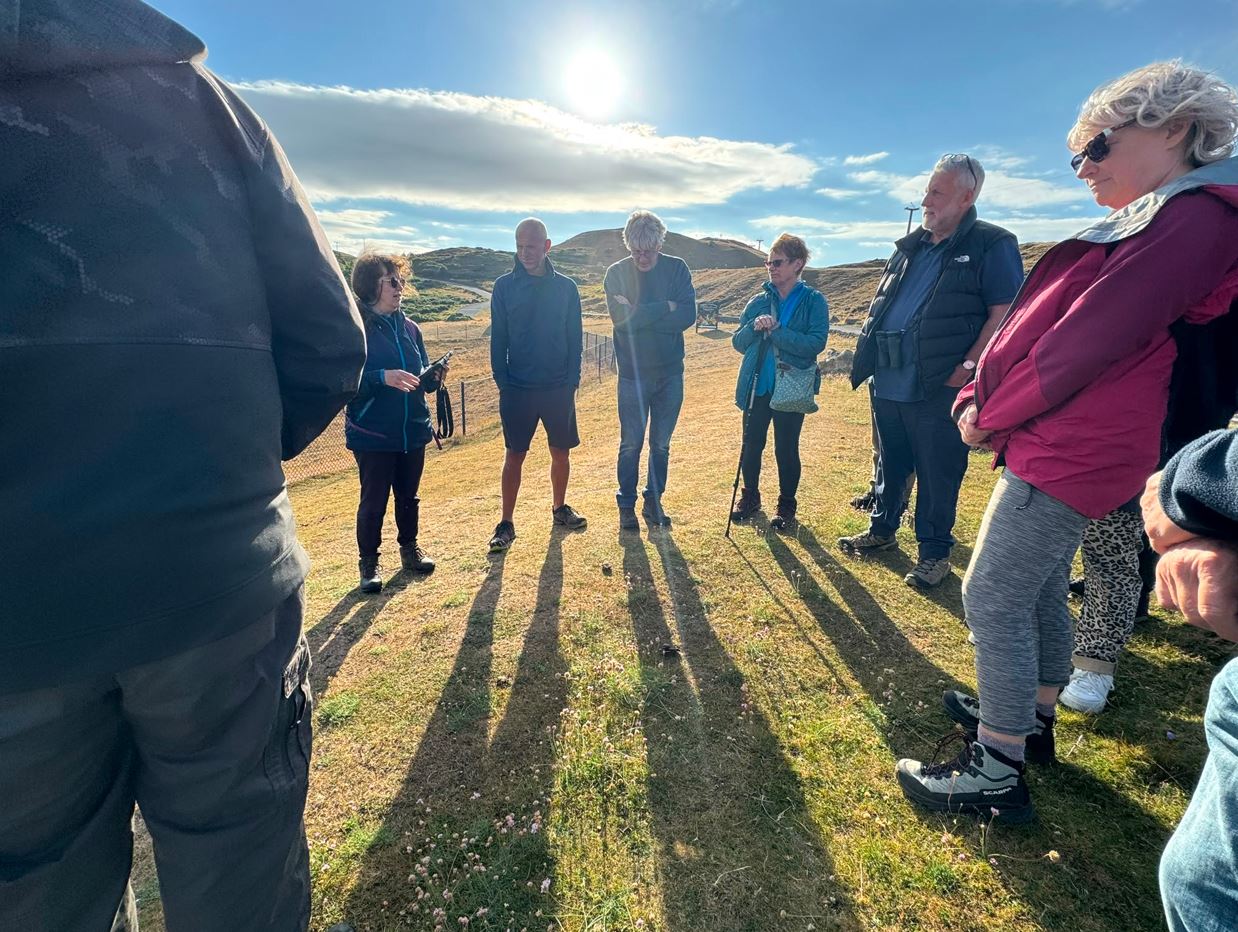
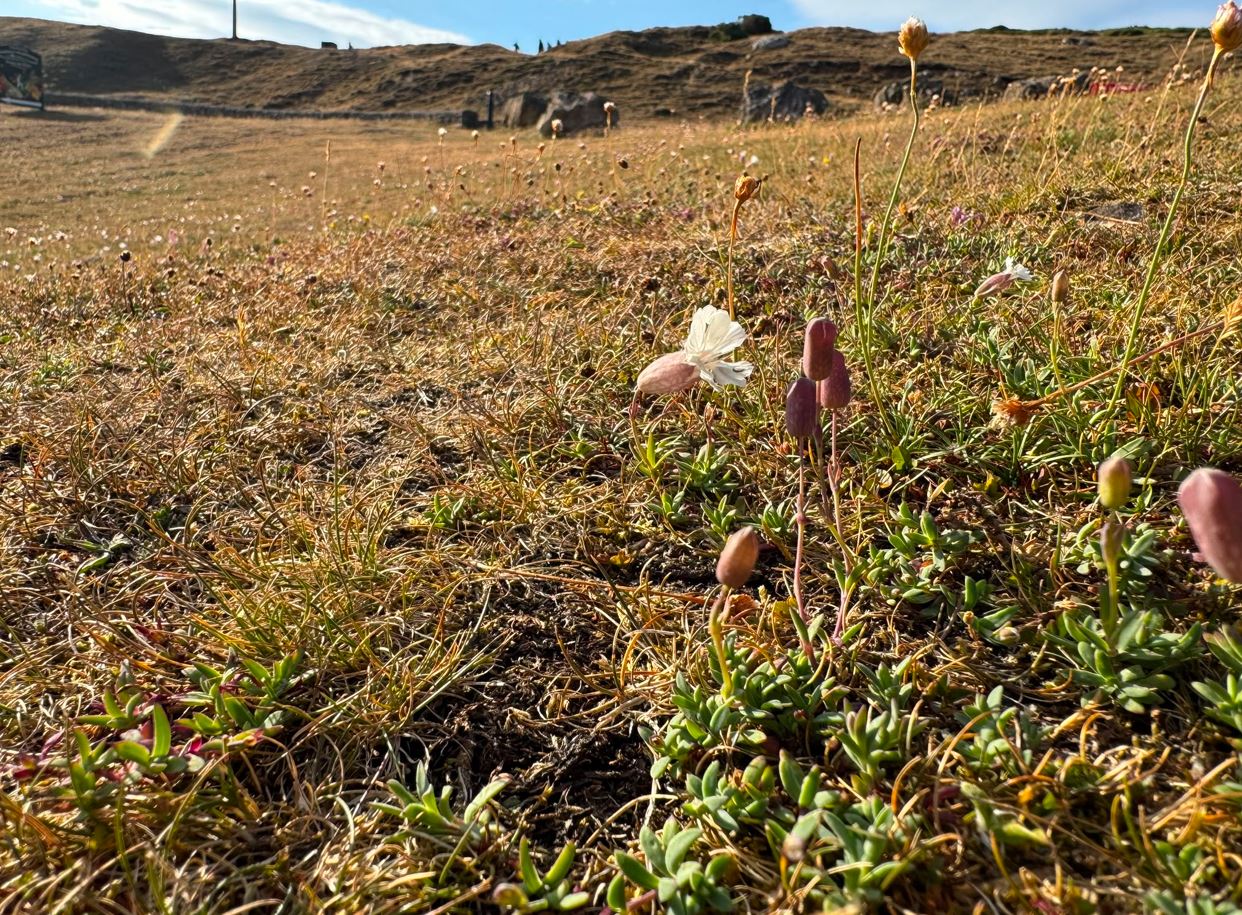
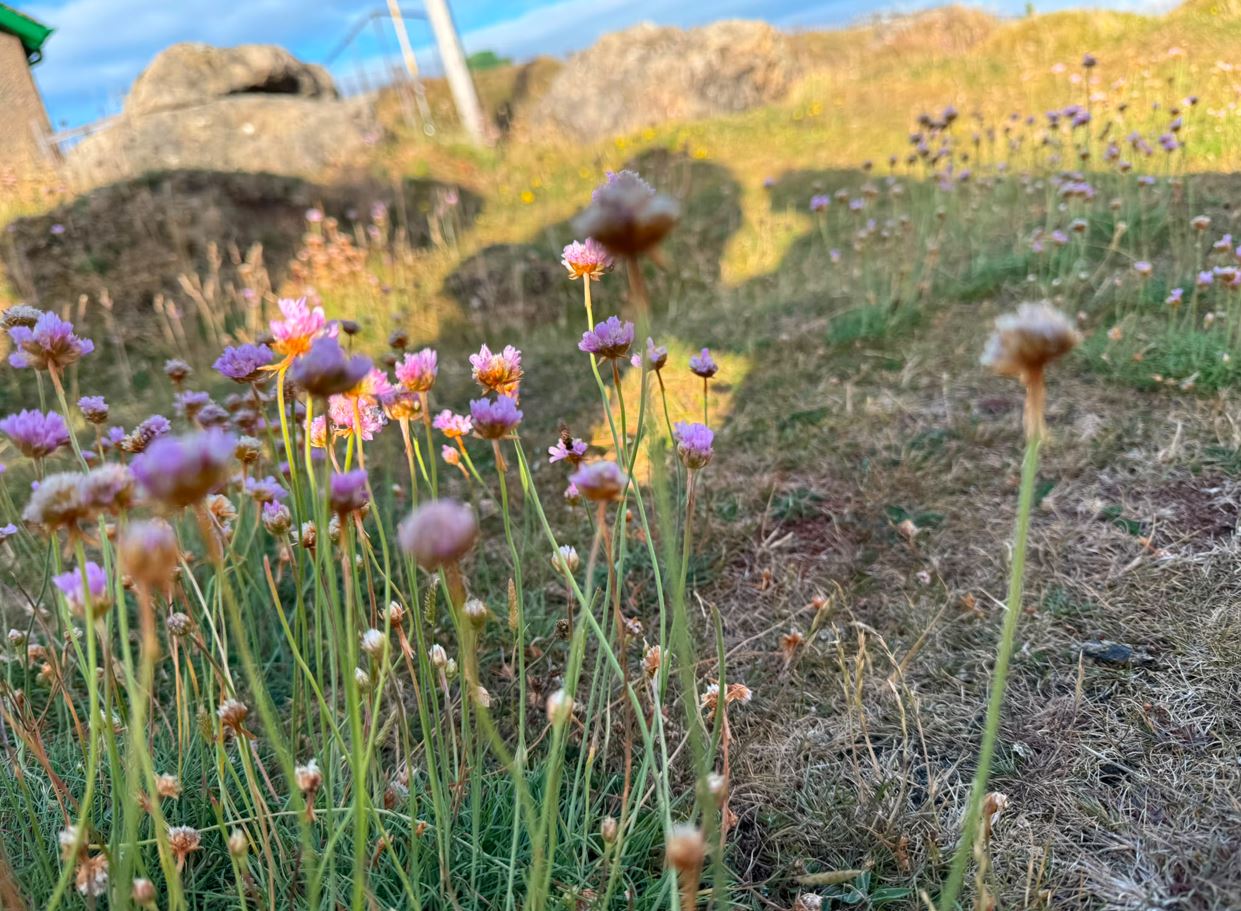
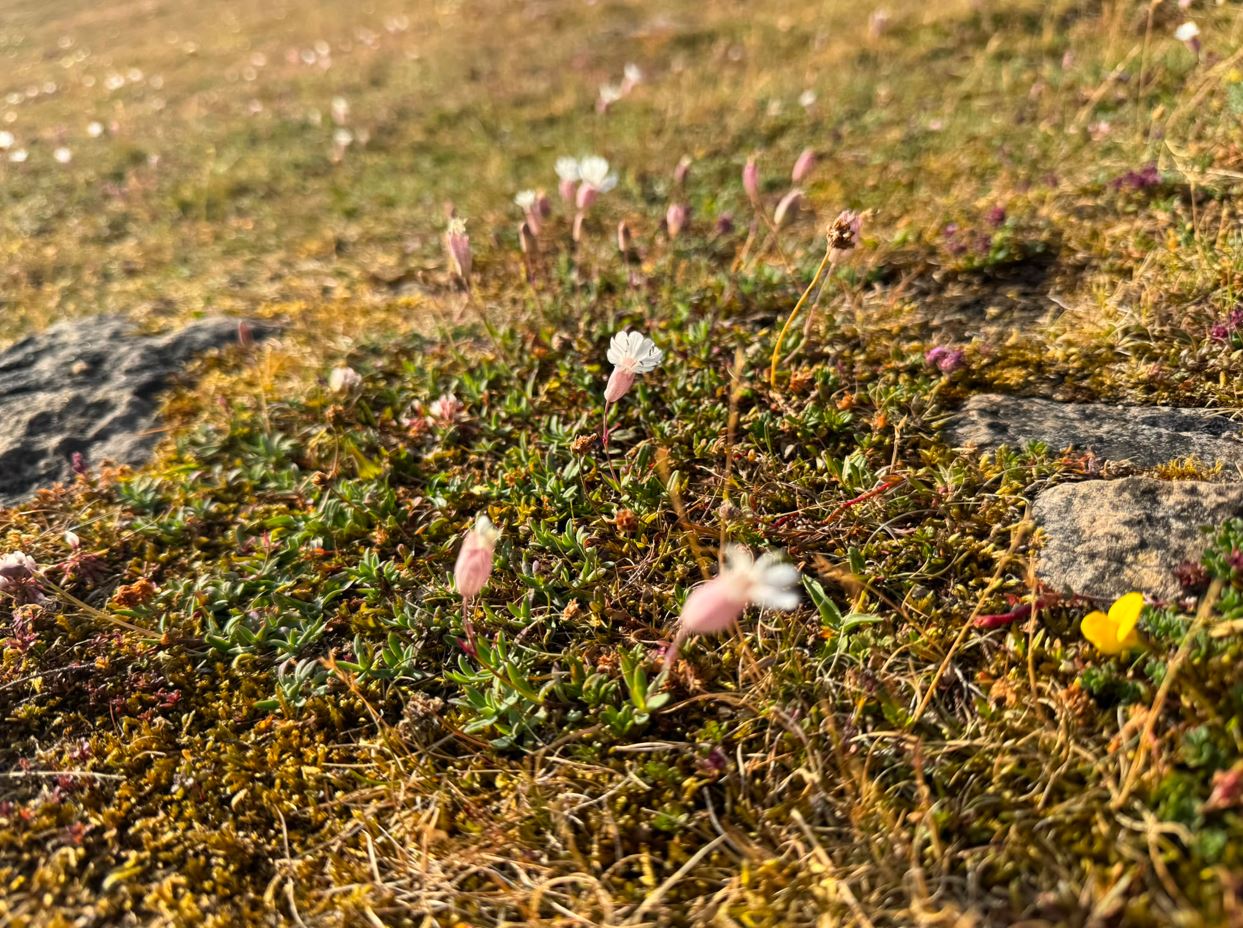
After being postponed due to excessively high temperatures, the wildflower wander began above the Bronze Age Copper Mines. High concentrations of copper in soil are toxic to many plants, so we began by looking at two copper-tolerant species: thrift and sea campion, which grow abundantly in this area and on the mine spoil.
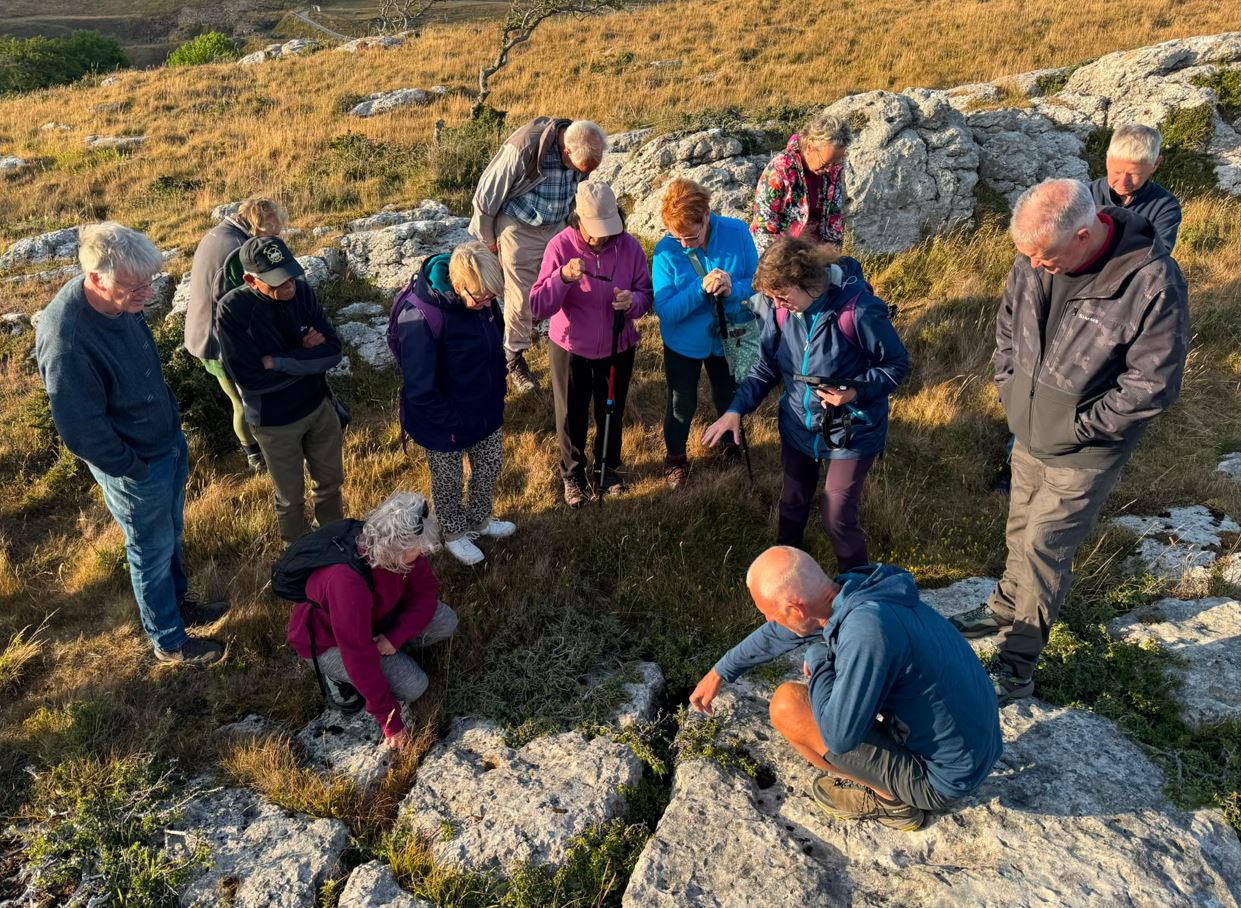
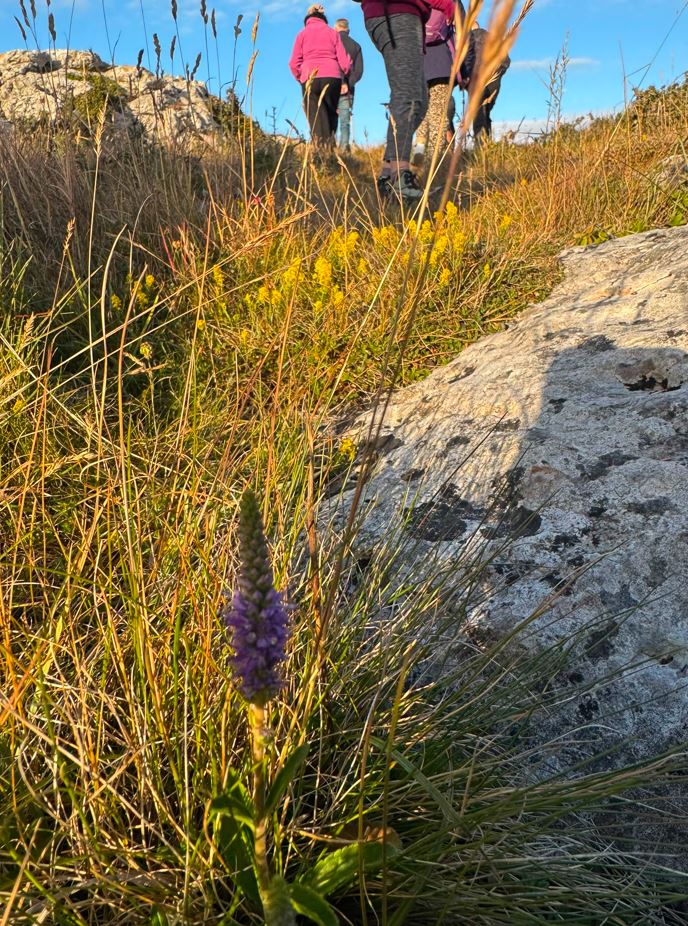
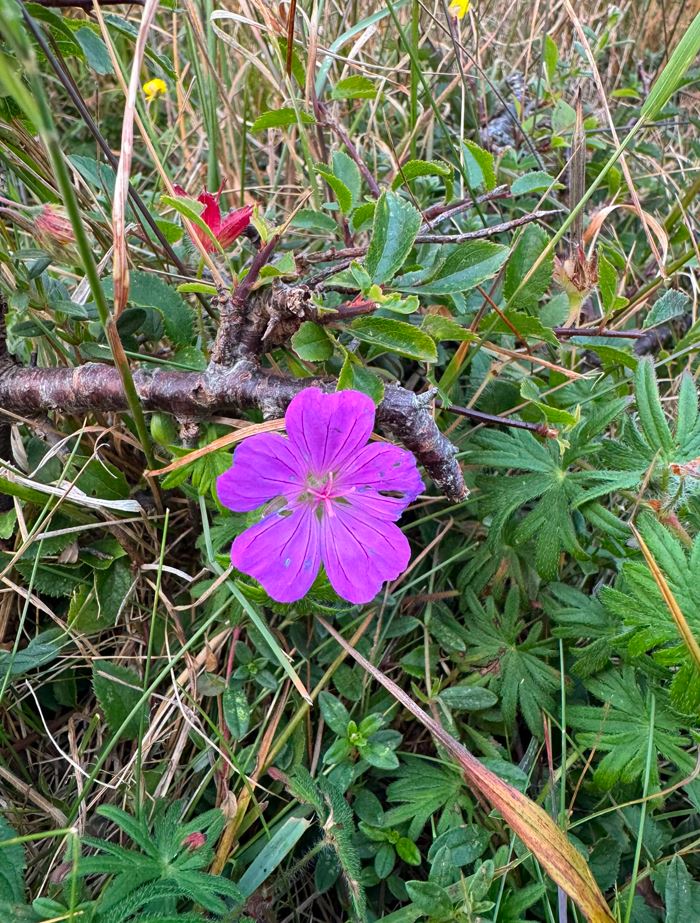
Moving on to the Maes-Facrell National Nature reserve, we heard how the then Countryside Council for Wales (CCW) purchased this some years ago, to preserve an area which contains most of the habitat types found on the Great Orme. The recent hot, dry weather had curtailed flowering of many plants but as we walked through the flowering grasses of the meadow, butterflies rose up and danced about us. We searched for rare plants around the limestone pavement, then learnt how heathland plants, which require acidic soil, grow on the limestone, and therefore alkaline, Great Orme.
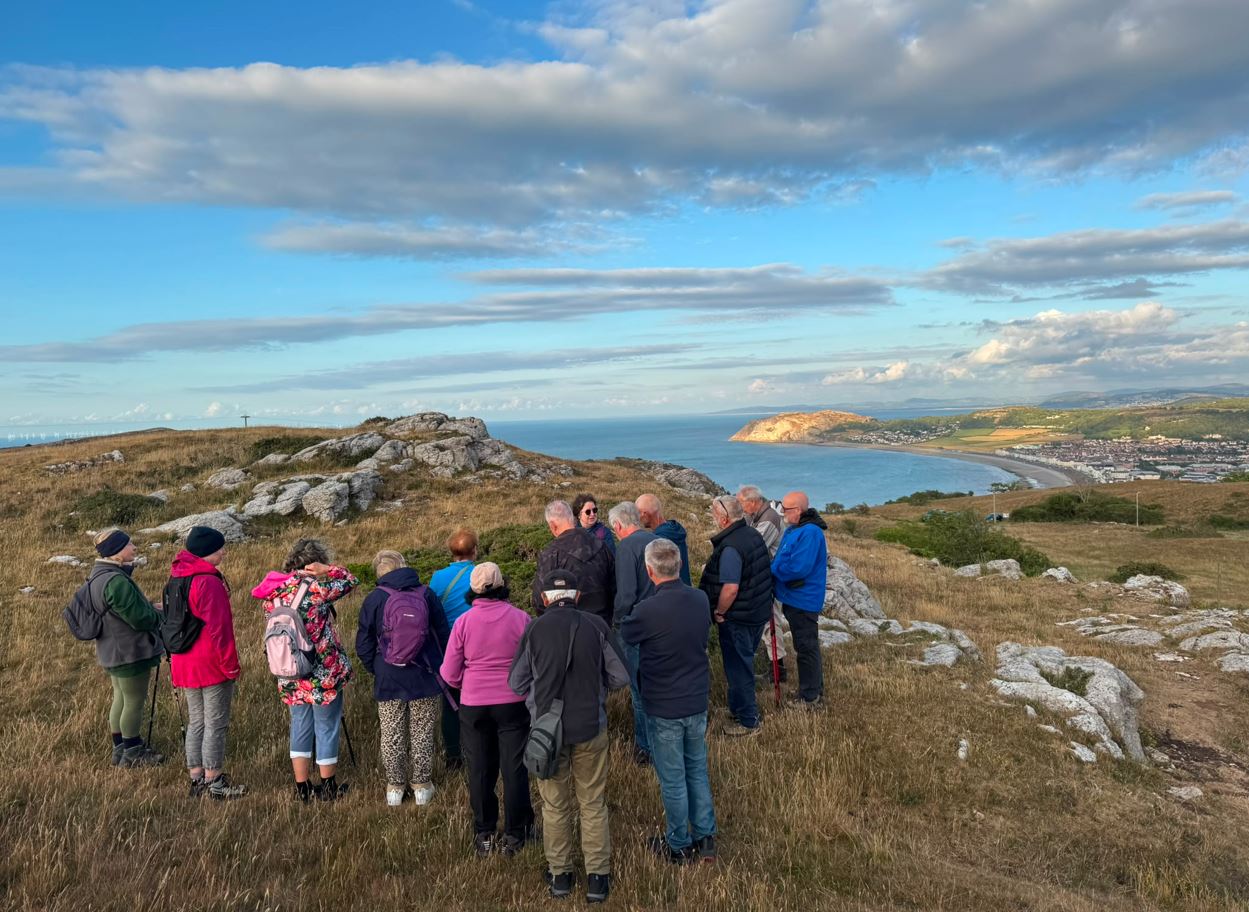
While admiring views across the Great Orme and Llandudno, we discussed the name of this place. Maes-y-Facrell translates literally as "mackerel field" but some old maps label it as "Maes Fachraith", which CCW suggested indicated a distant or separate place. However, "Gwalchmai", writing in the 1860s, suggested that the name originated from "maes-y-fagwyr-allt" or "field with the wall on the slope", which agreed was a perfect description!

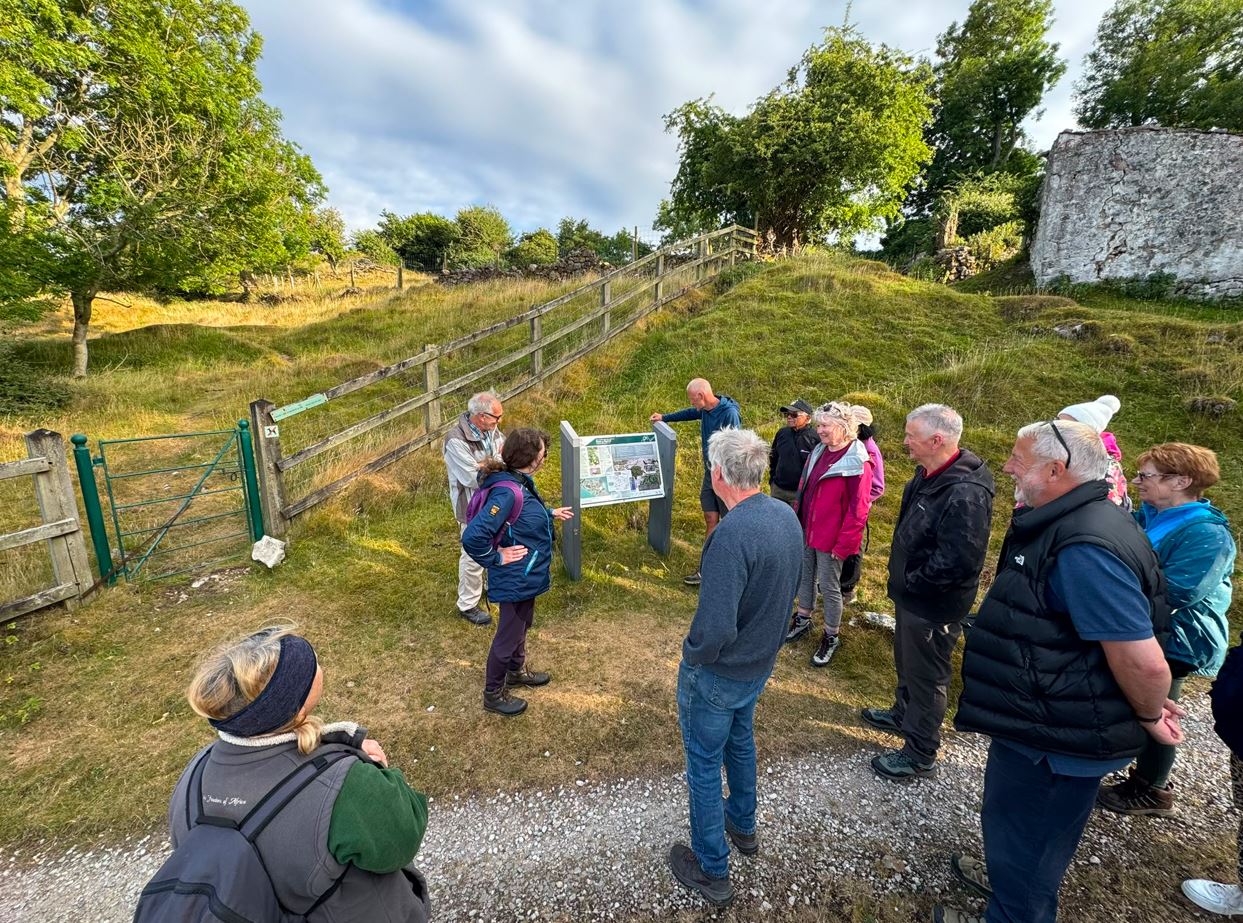
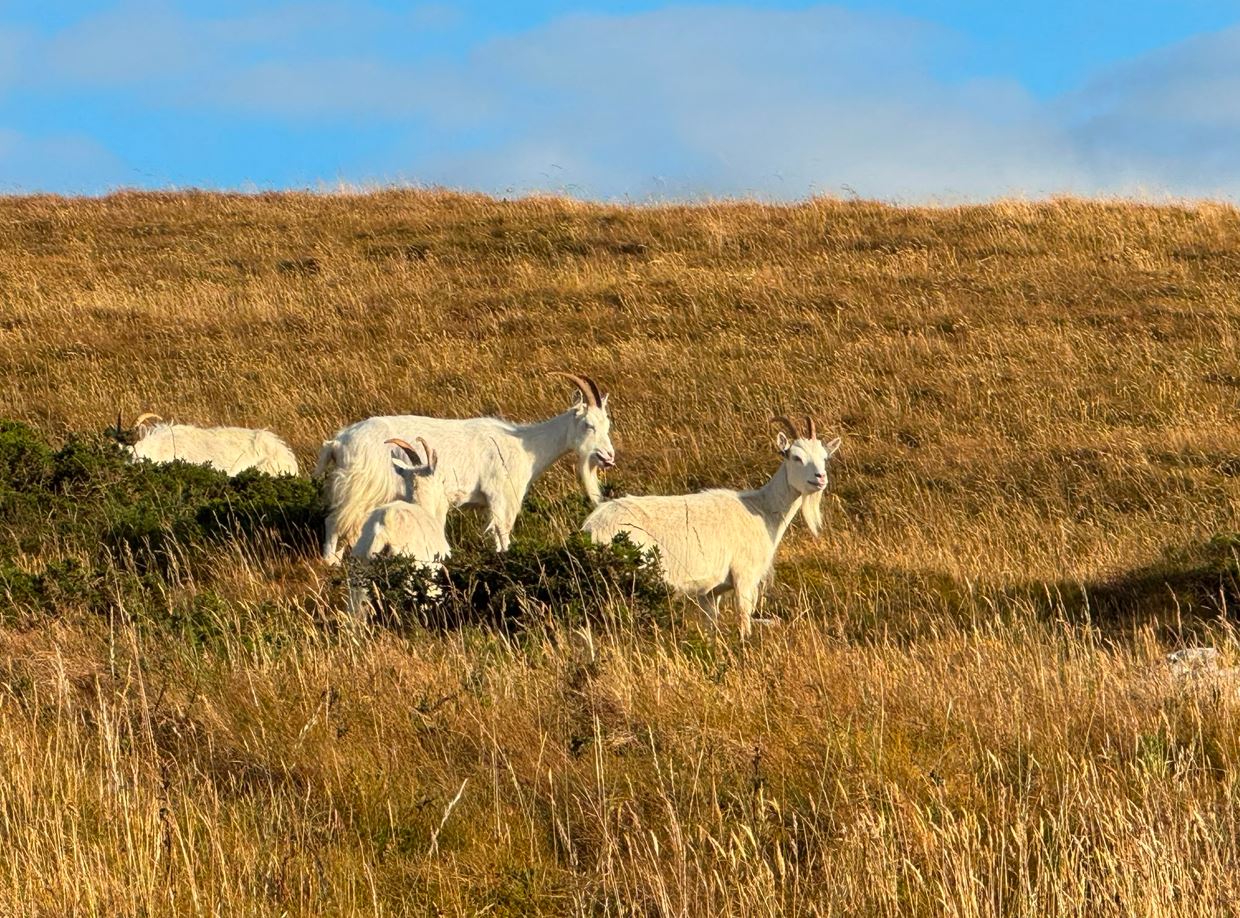
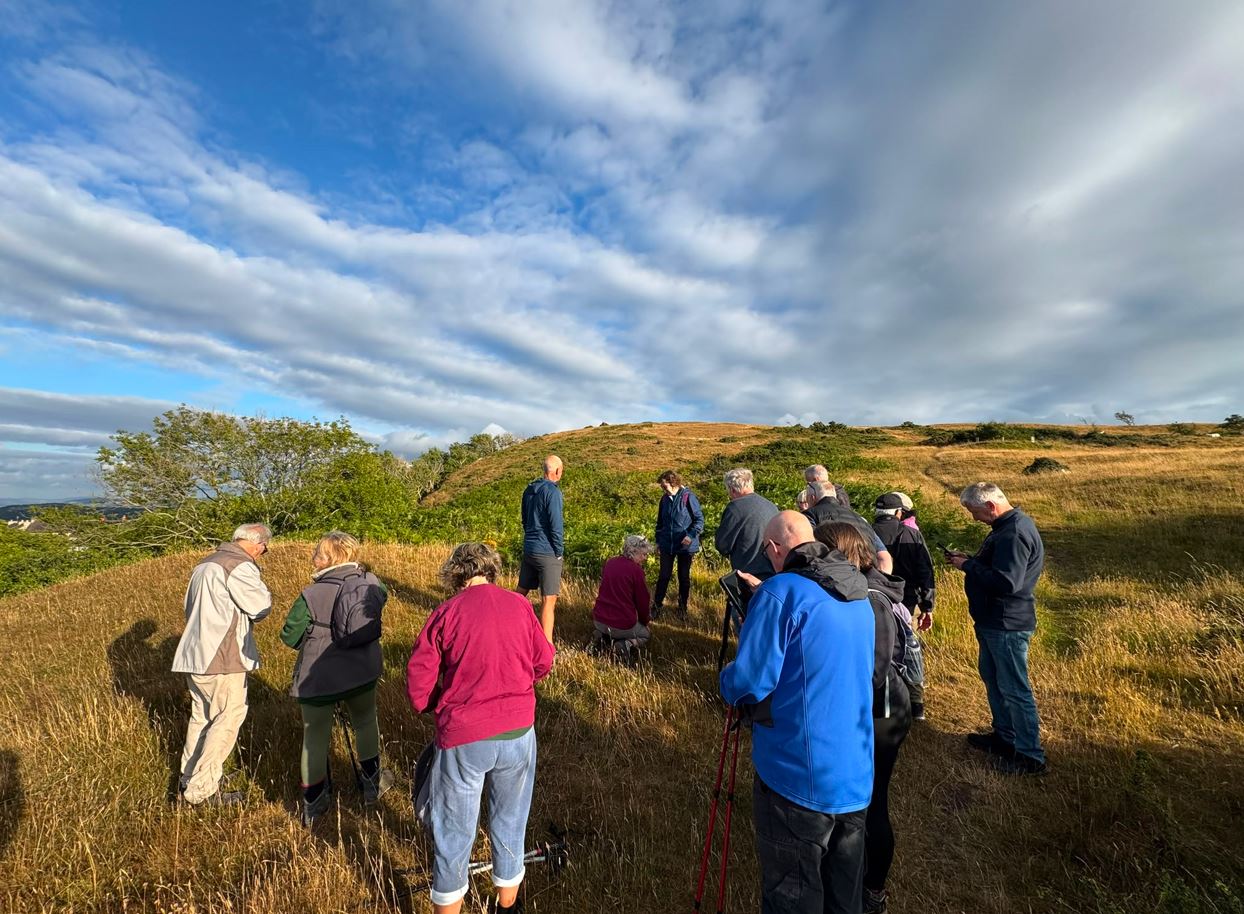
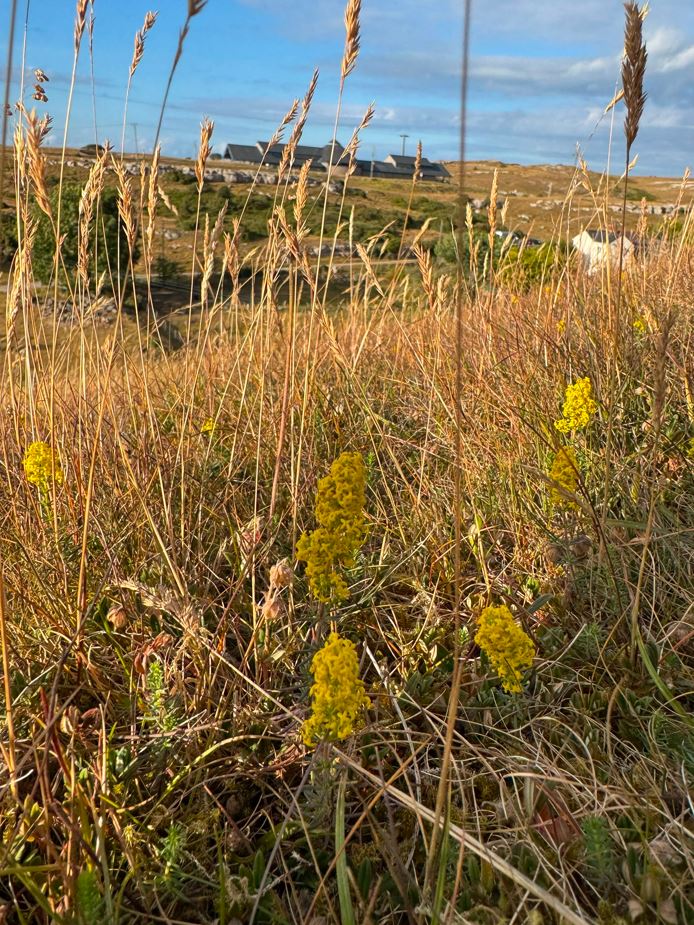

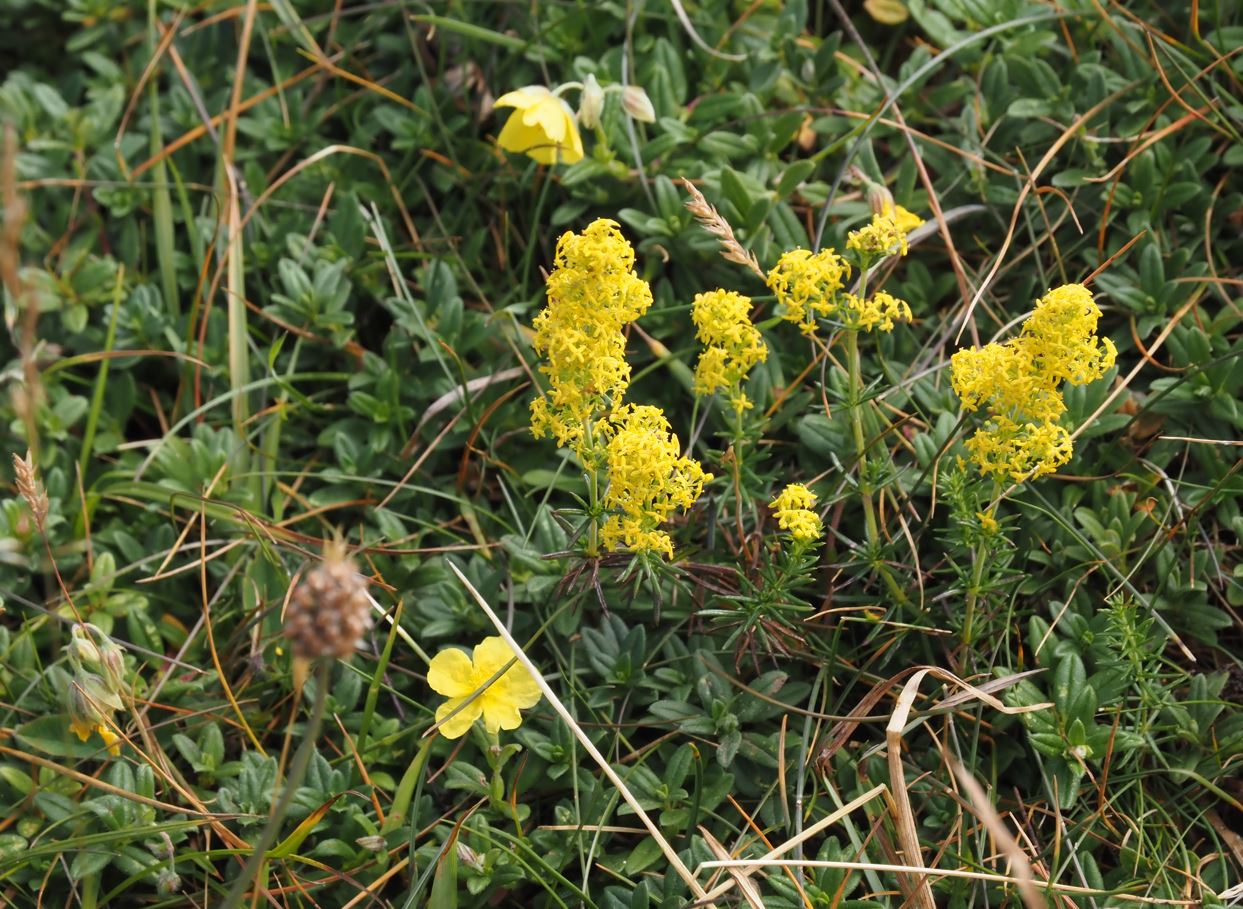

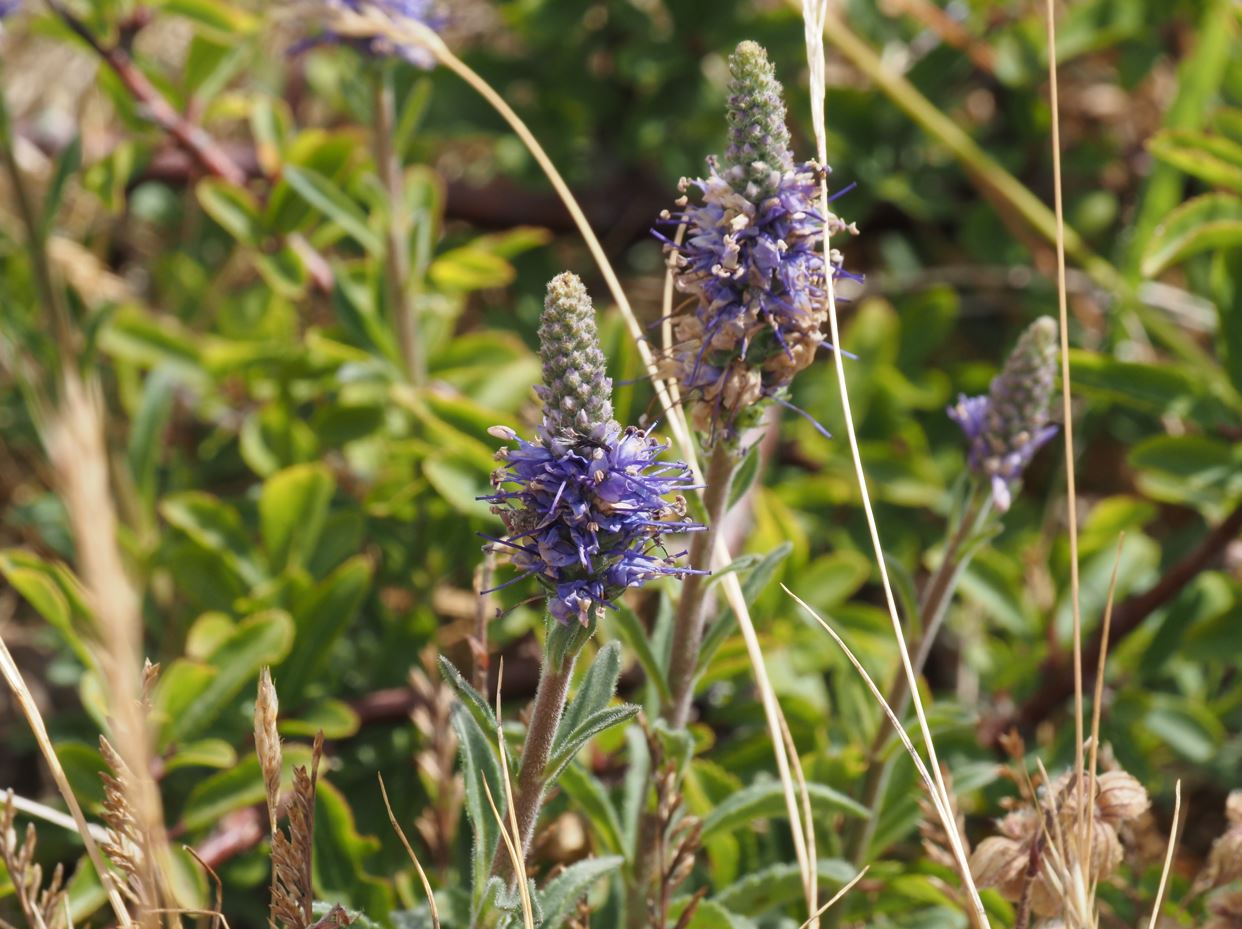
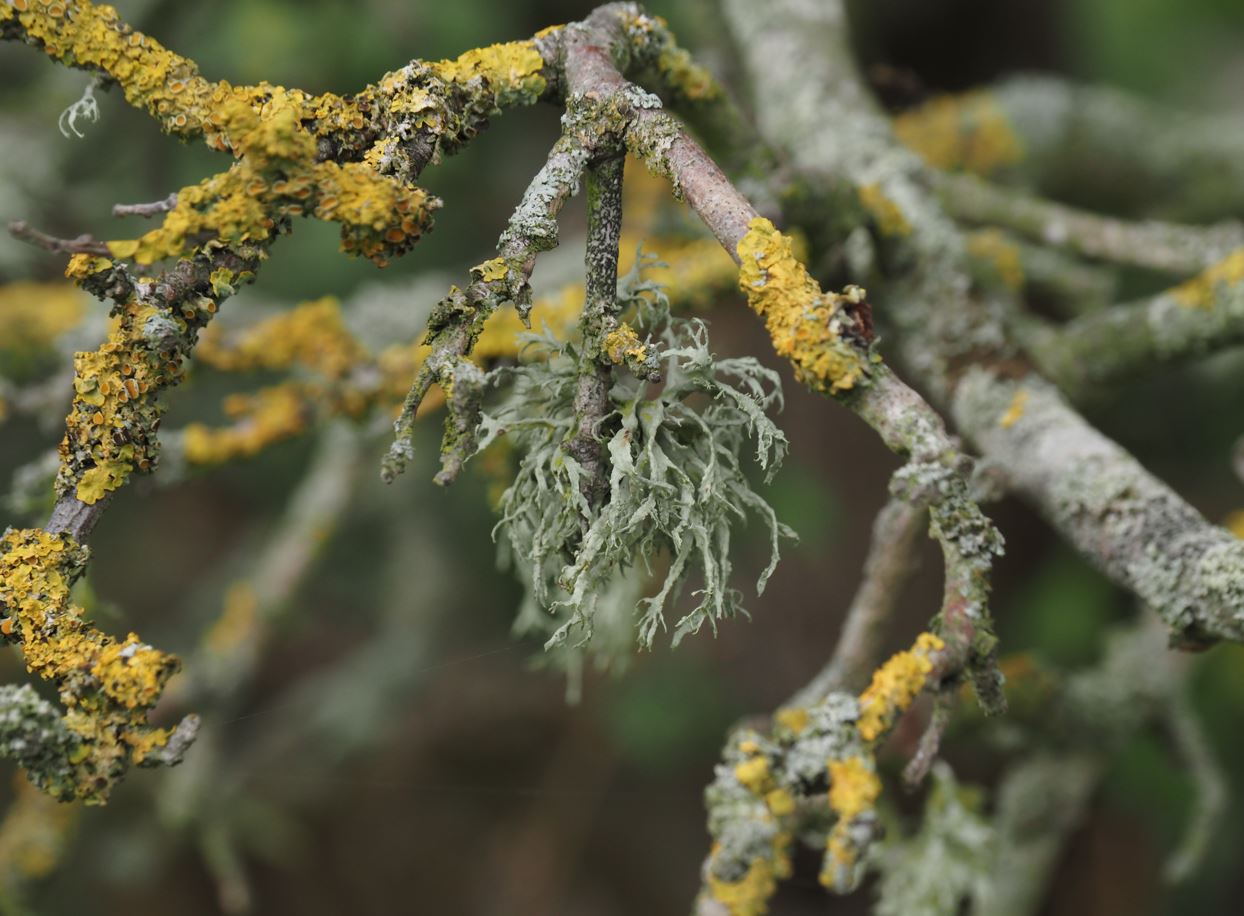
Many thanks to Christine for leading this fascinating walk.