
In Search of Val Dunne.
18th June 2026
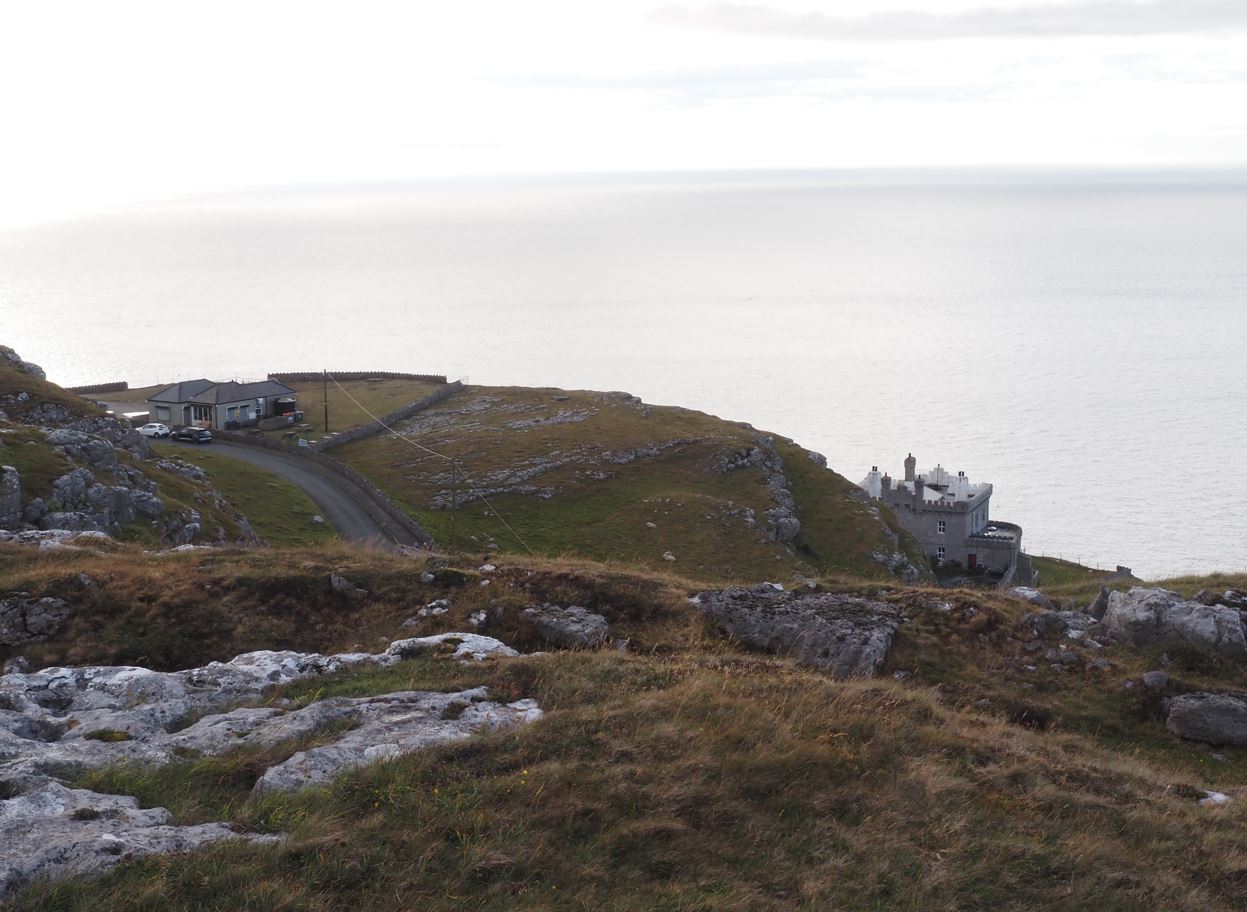
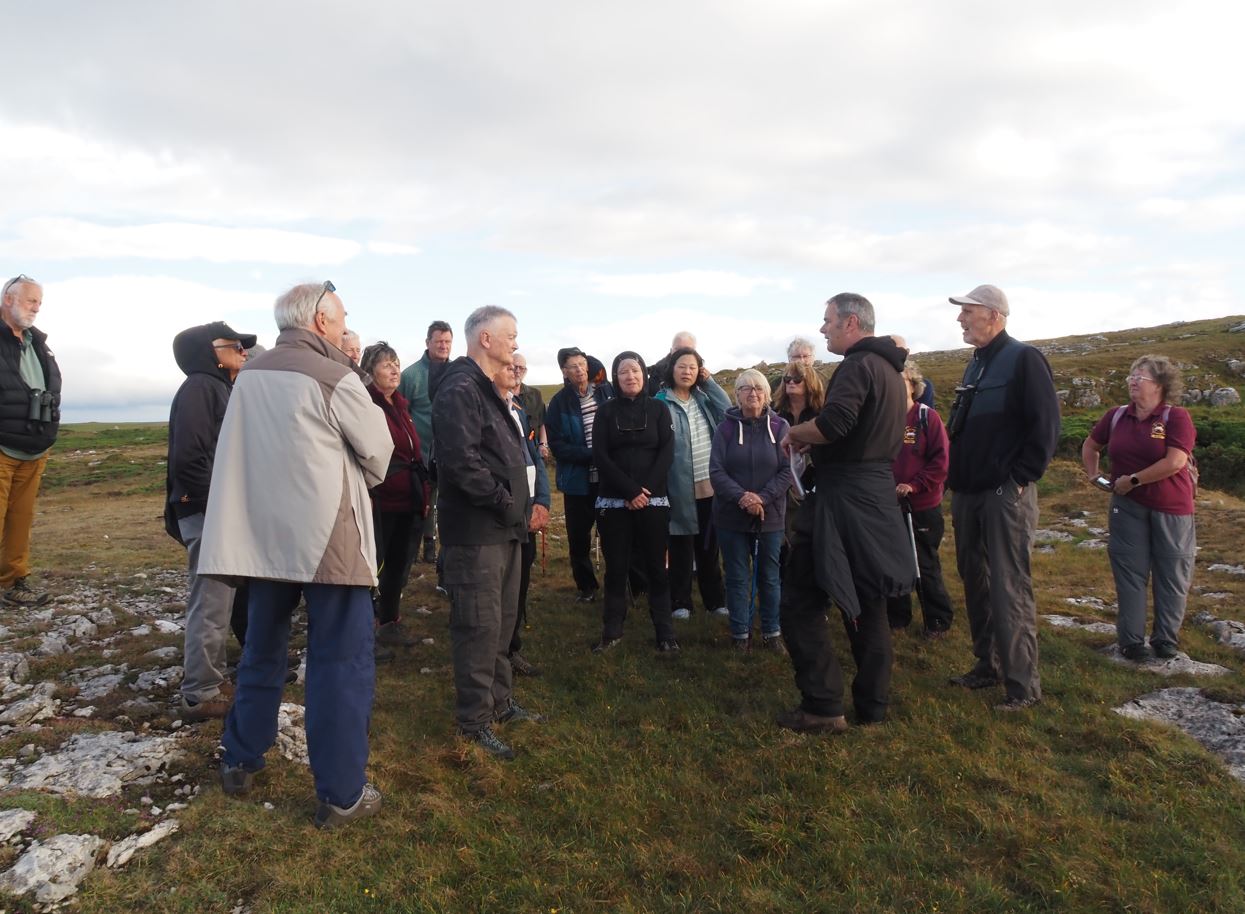
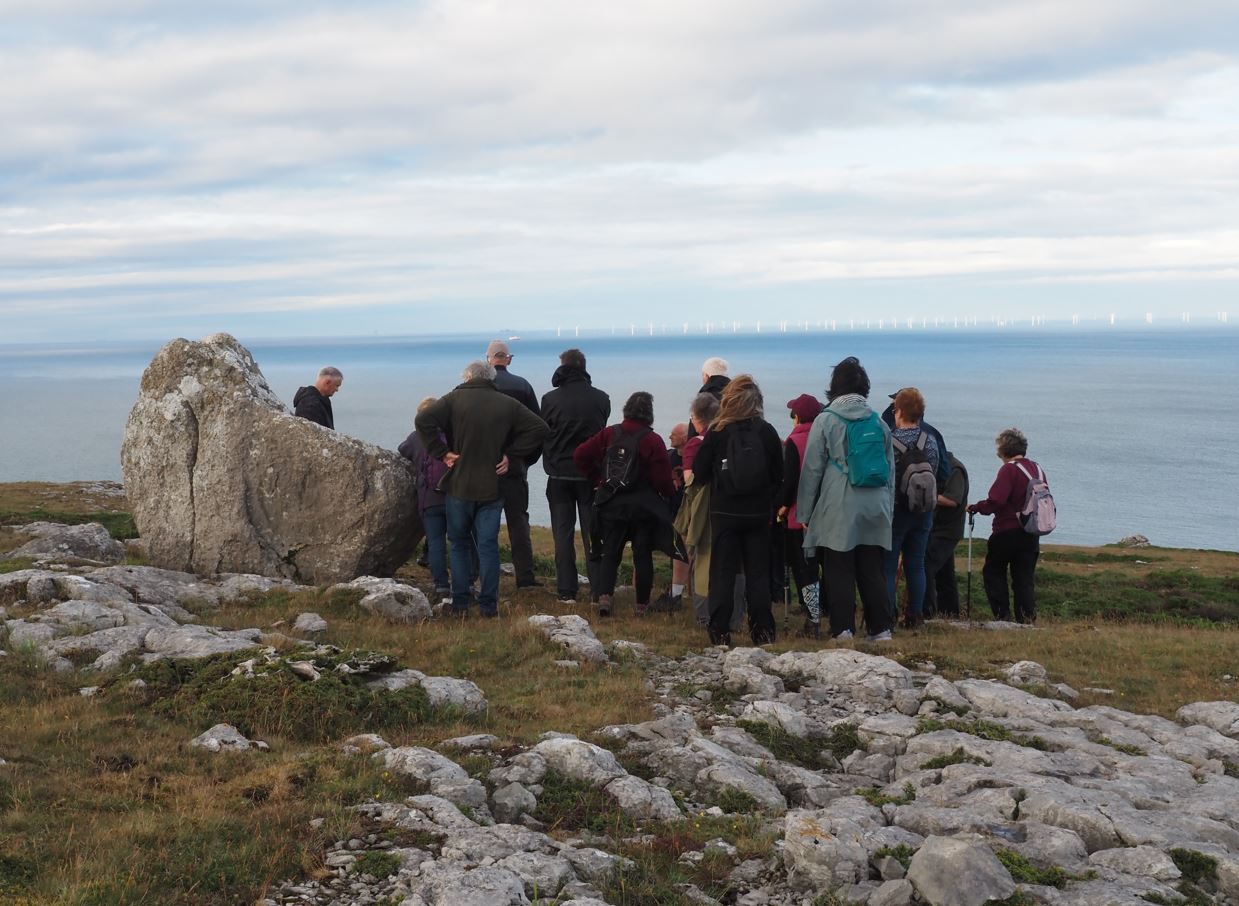
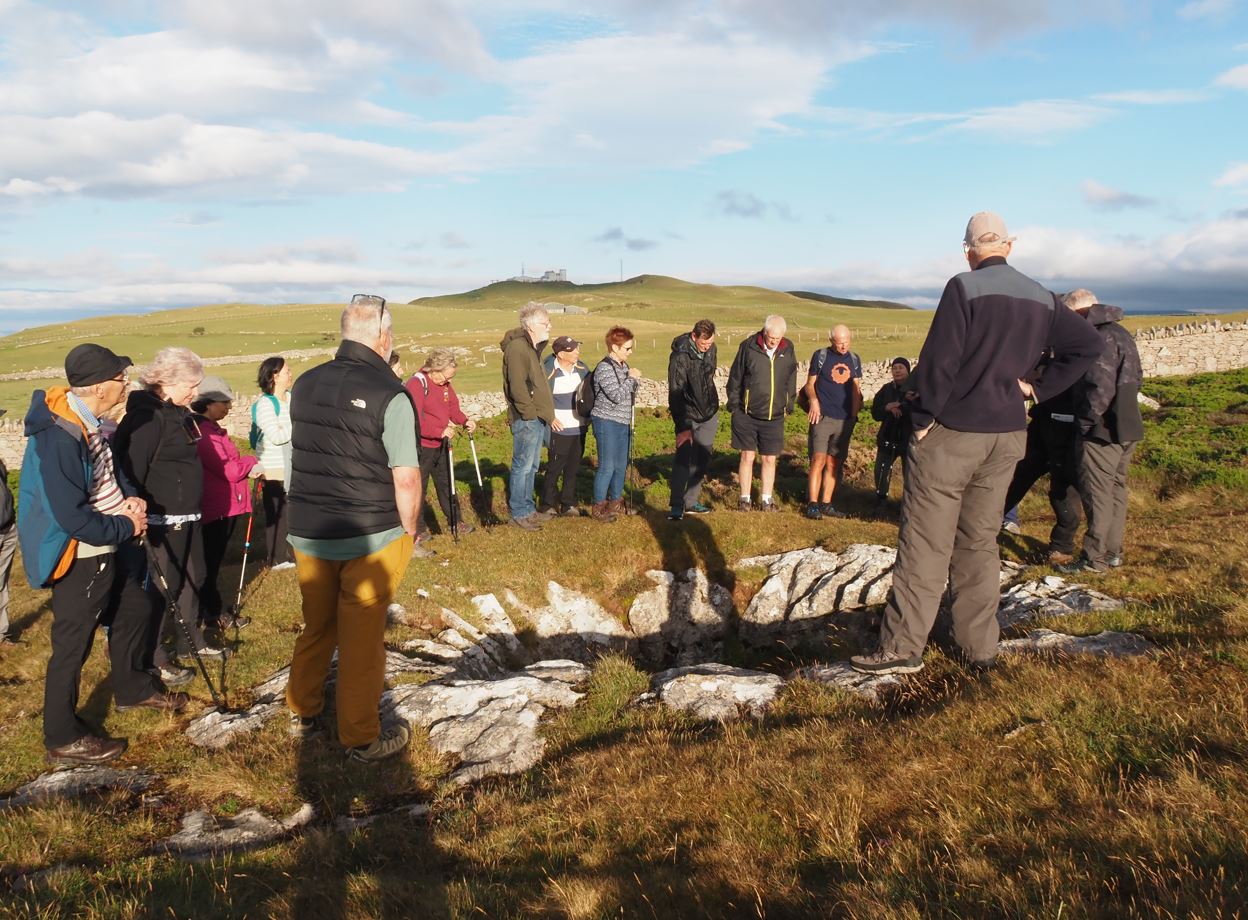
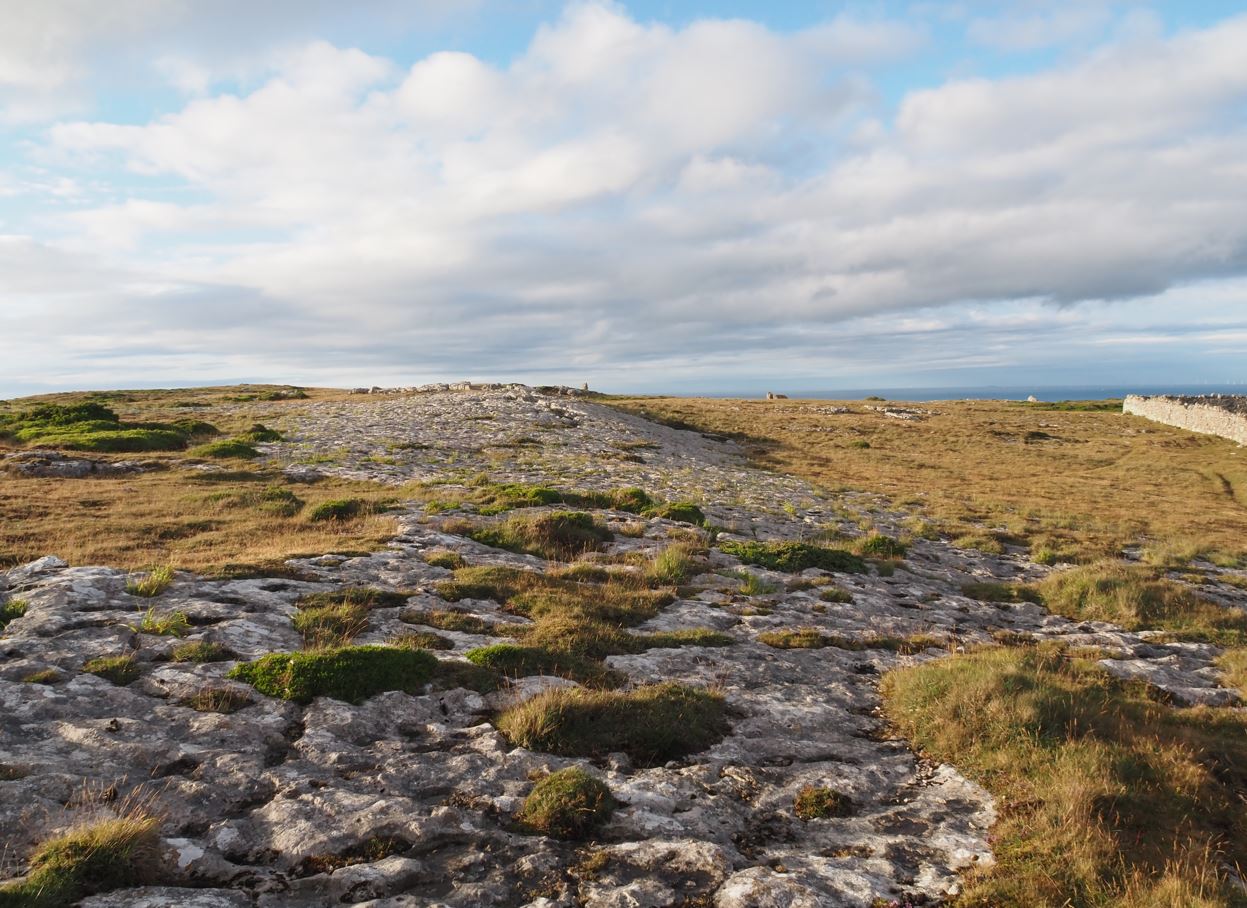
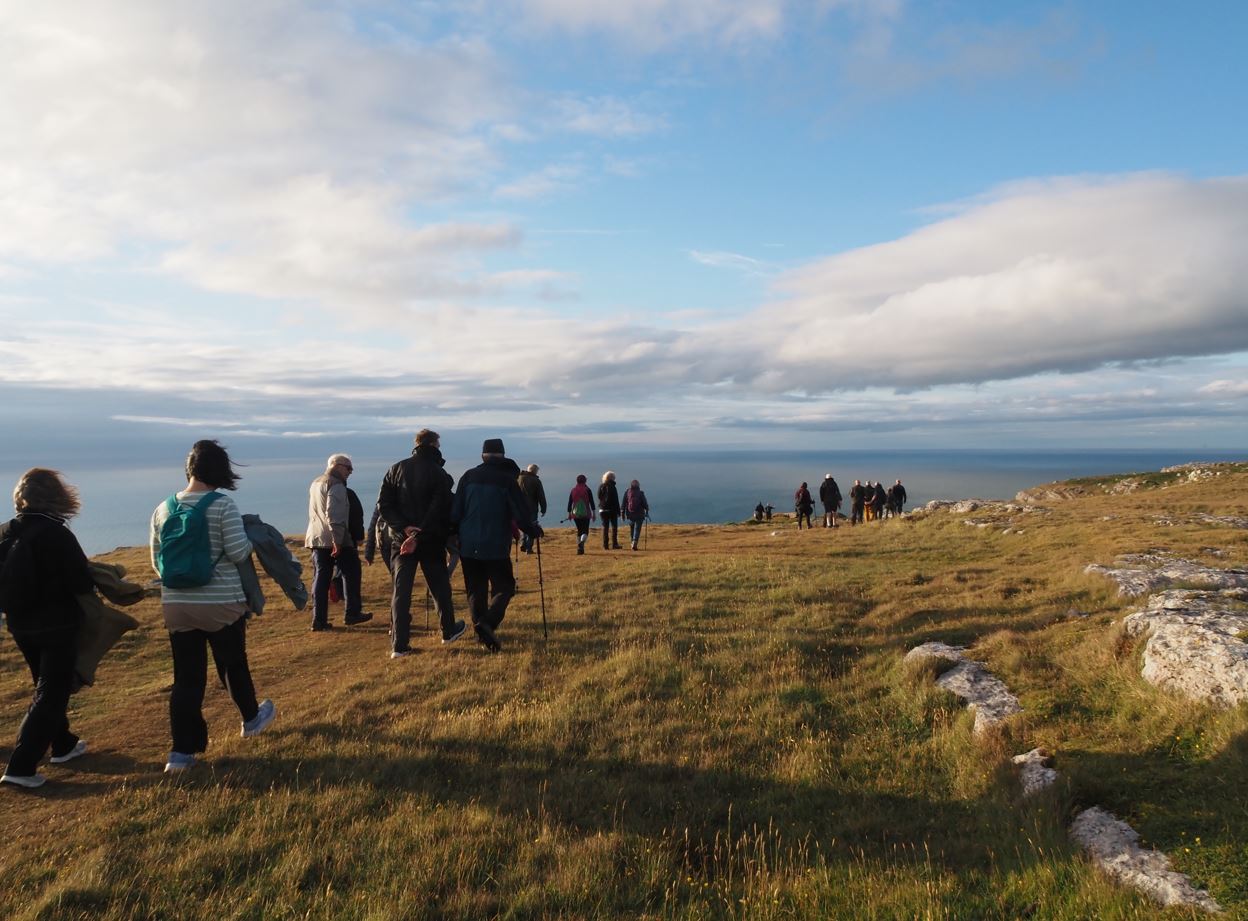
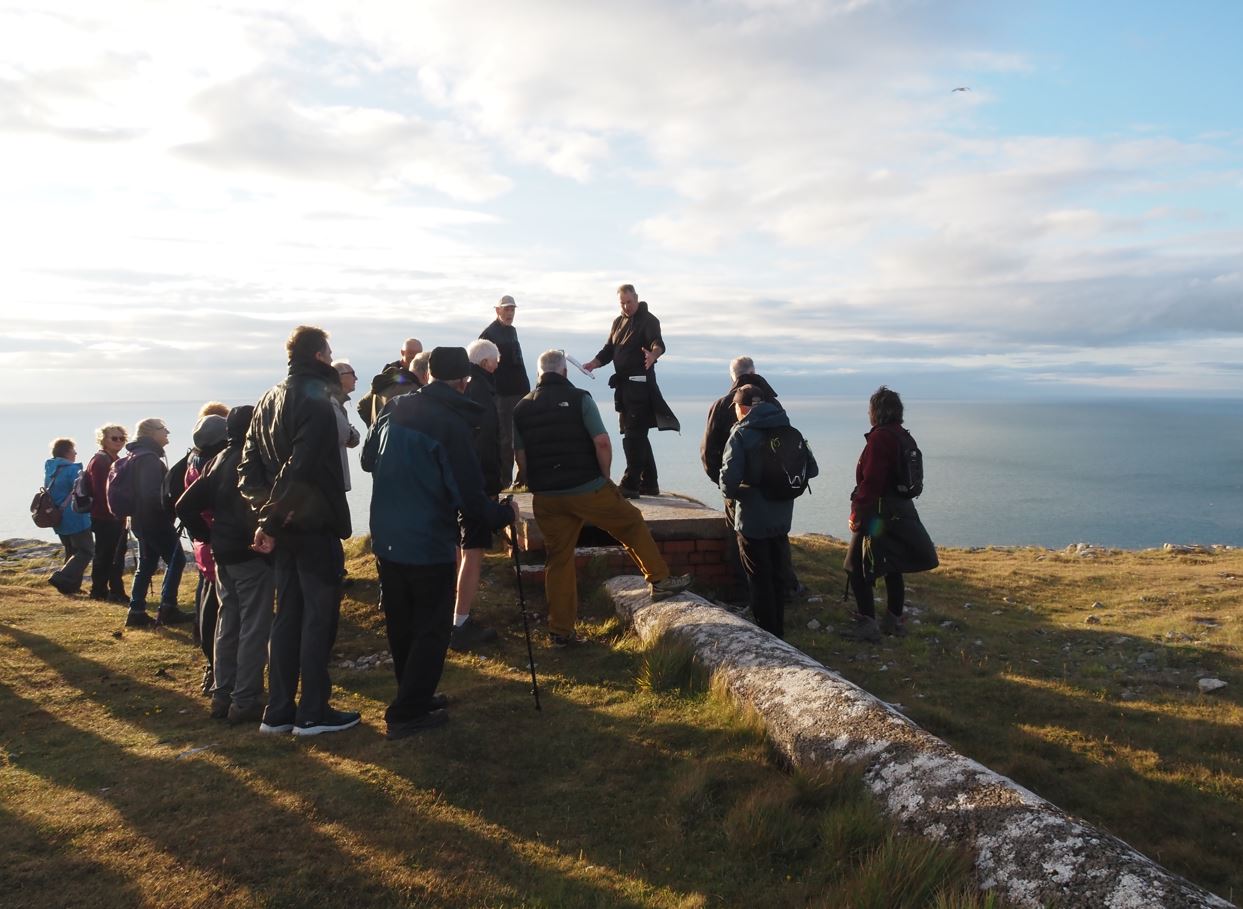
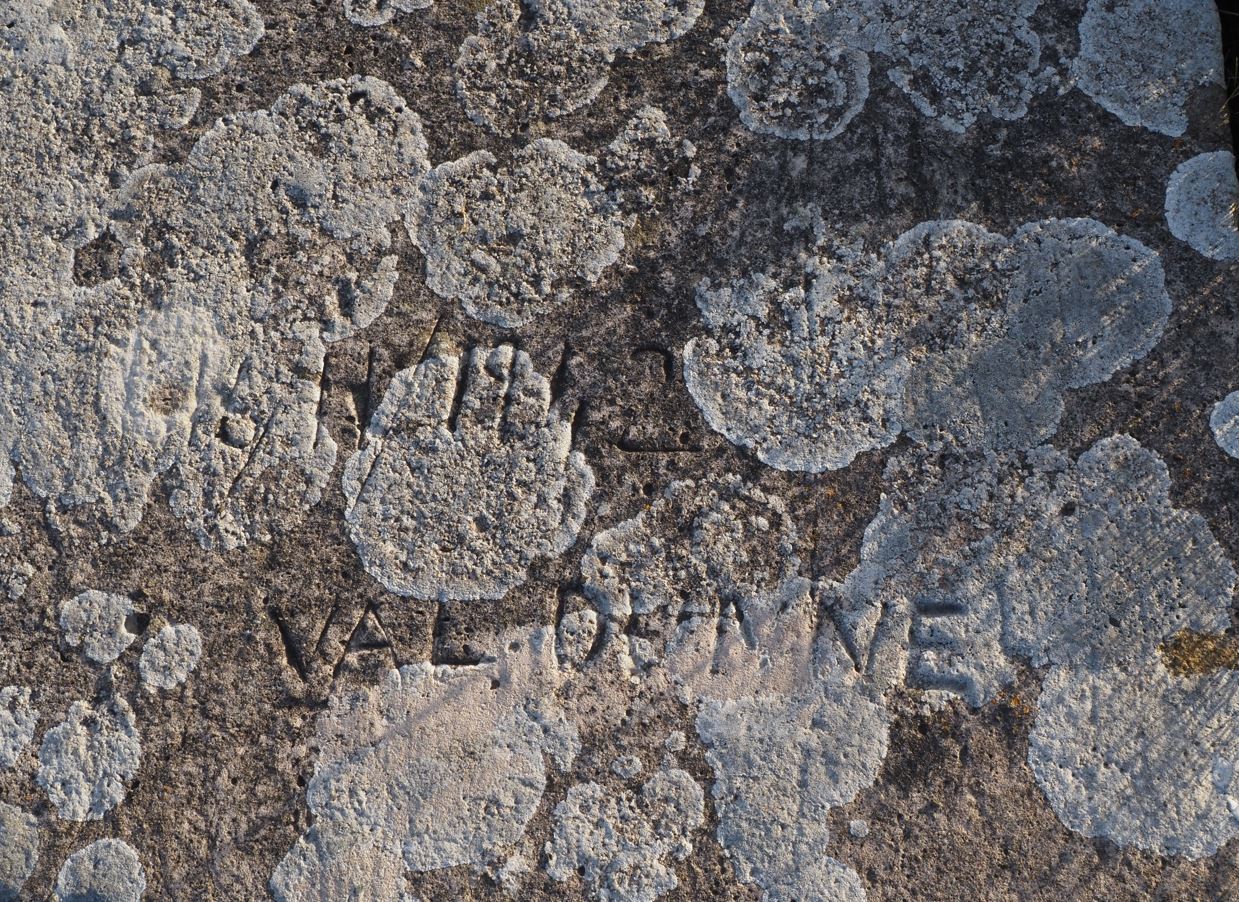
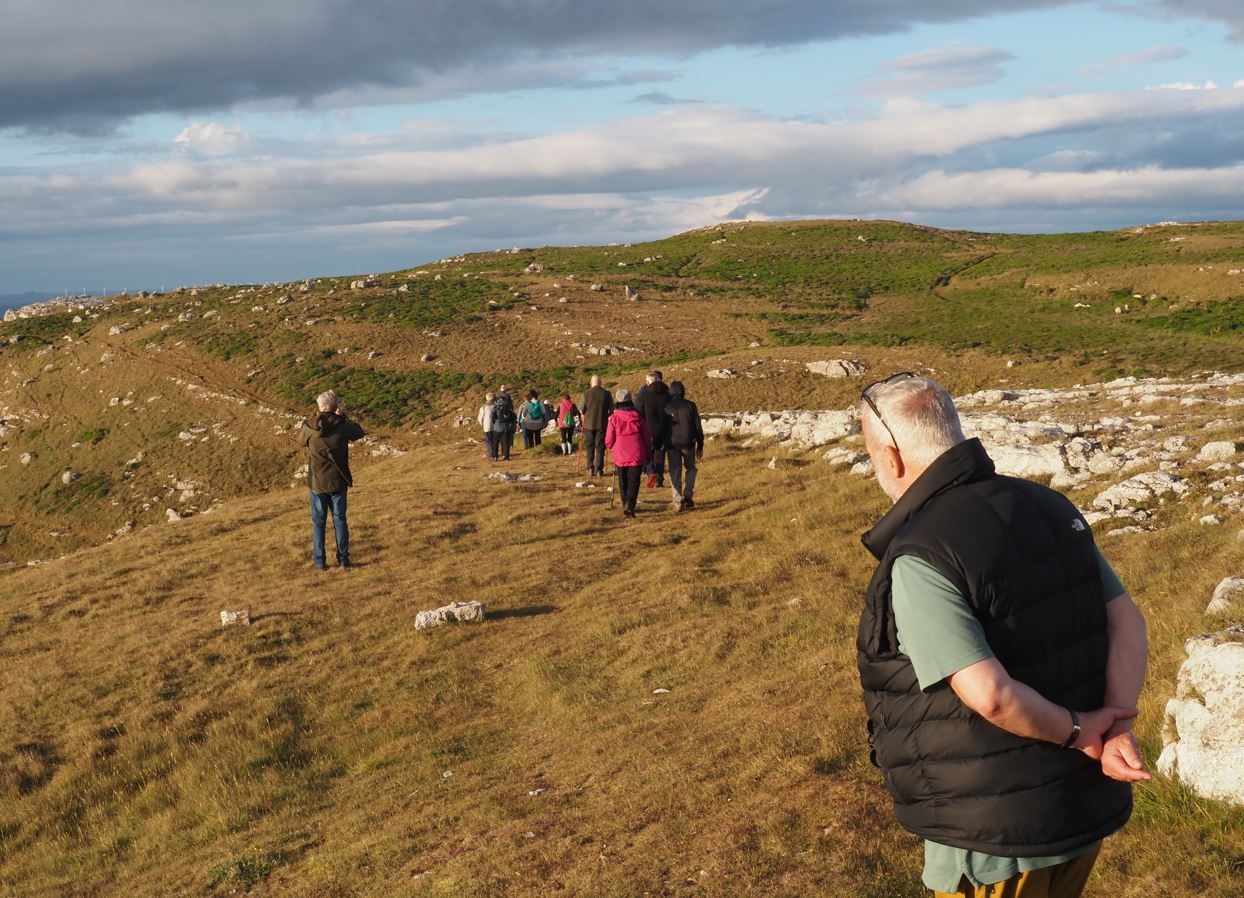
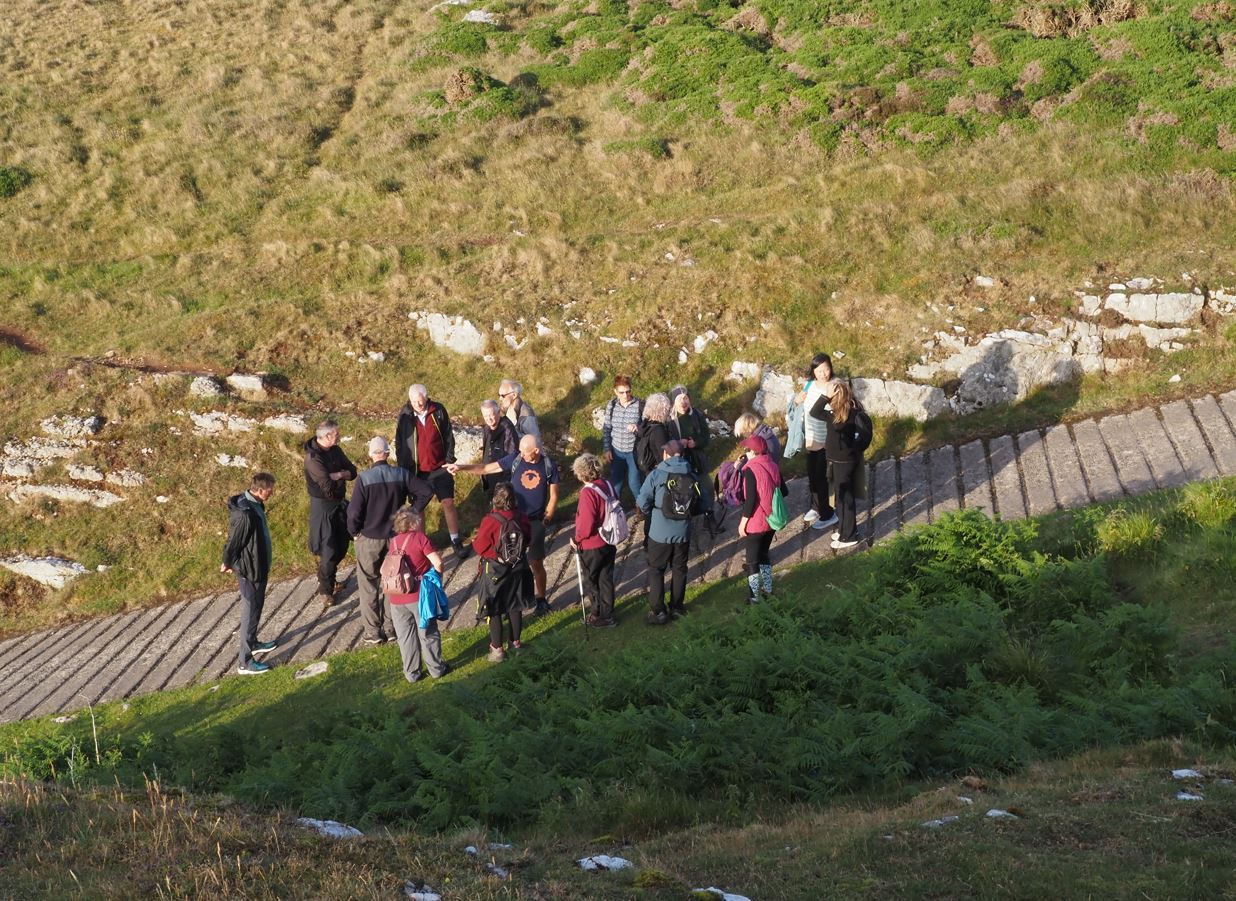
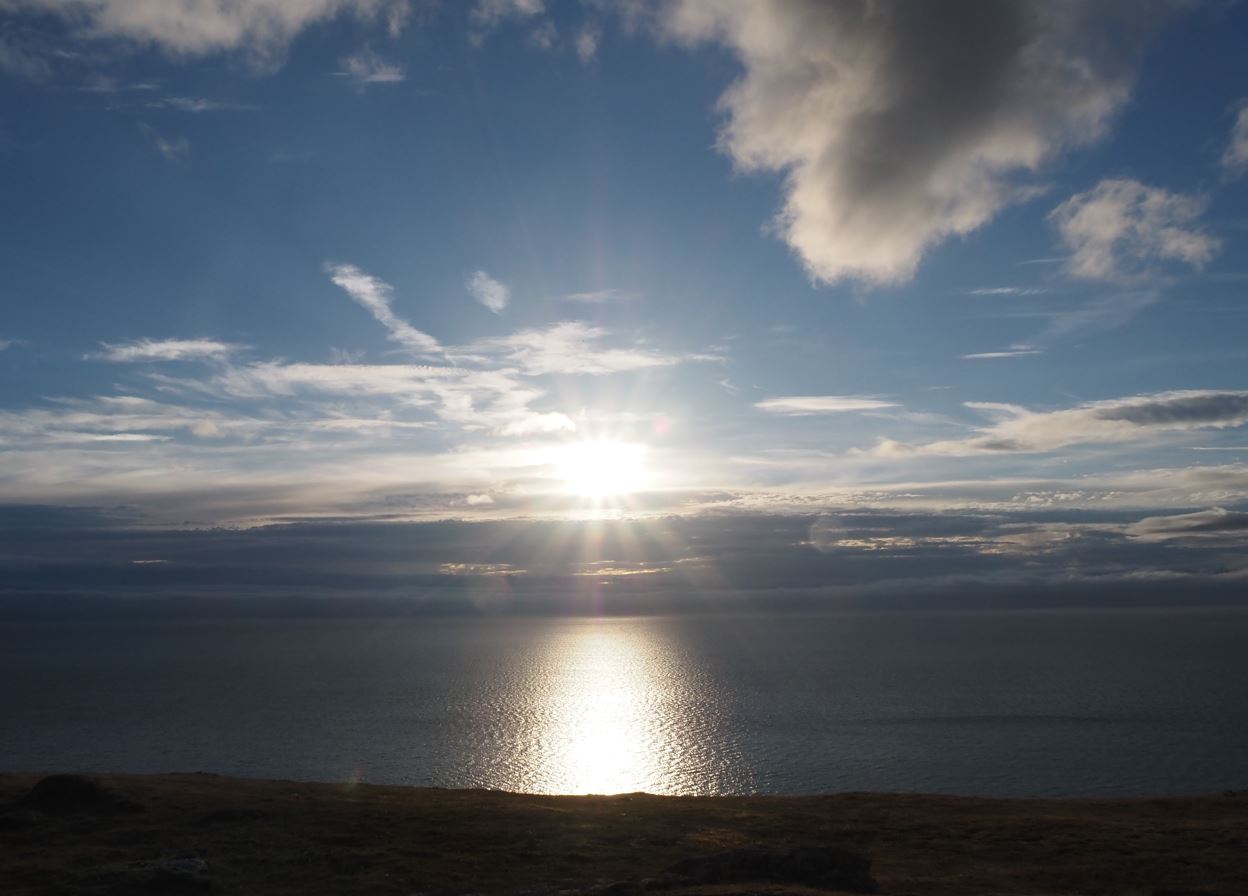
A warm evening for a stroll around the limestone pavement area of the Great Orme with the mysterious title ‘In search of Val Dunne’. After seeing the anchors to the old semaphore tower, the group viewed the old lighthouse which is now a guesthouse boasting panoramic views along the North Wales coast. After looking at some of the glacial boulders left after the last ice sheet retreated some 20,000 years ago, we visited another geological gem and a GOES favourite, the swallet hole. This sink hole, that is continuing to form, is the only example on the Great Orme and sits close to the limestone pavement rich with botanical wonders found in few other places. A short, steady climb found members at Creigiau Cochion and the burial cairn which is believed to date from the Bronze Age and the original people who worked the copper mines on the Great Orme. Descending towards the western carpark, stonechats and meadow pipits were flitting around the gorse bushes. The carpark at the top of the corrugated concrete road, colloquially known as the ‘tank tracks’ was the foundation of a radar college built during the Second World War. Clearly GOES members were not as enthused about wartime concrete as the walk leader but at least the mystery of Val Dunne was solved - a graffiti artist who left their name in concrete when the radar college was built! Dropping back to Marine Drive, the group looked at another concrete foundation – an observation post associated with the wartime coast artillery school and heard the tale of the three German naval officers who tried to rendezvous with a submarine below the lighthouse in 1915.
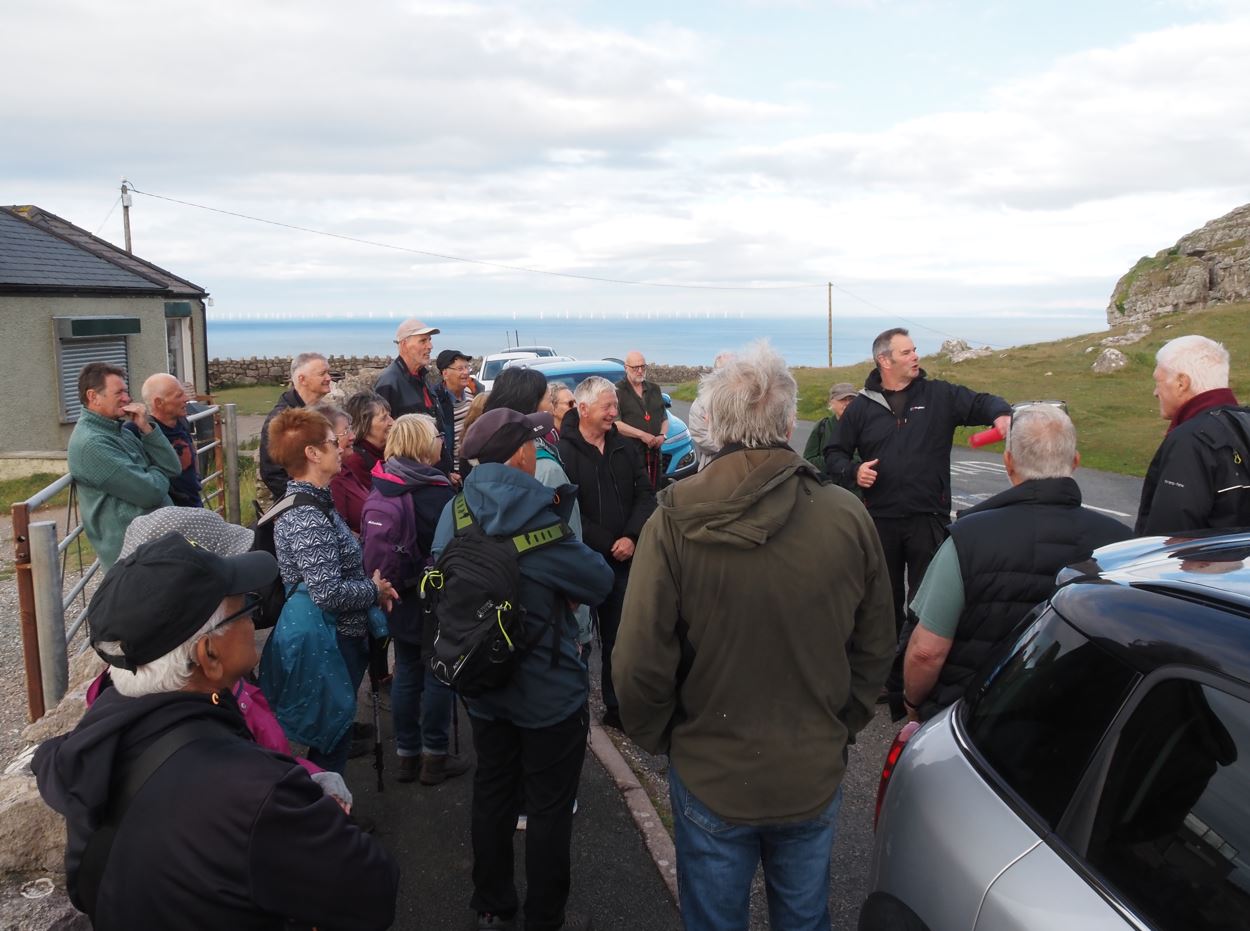
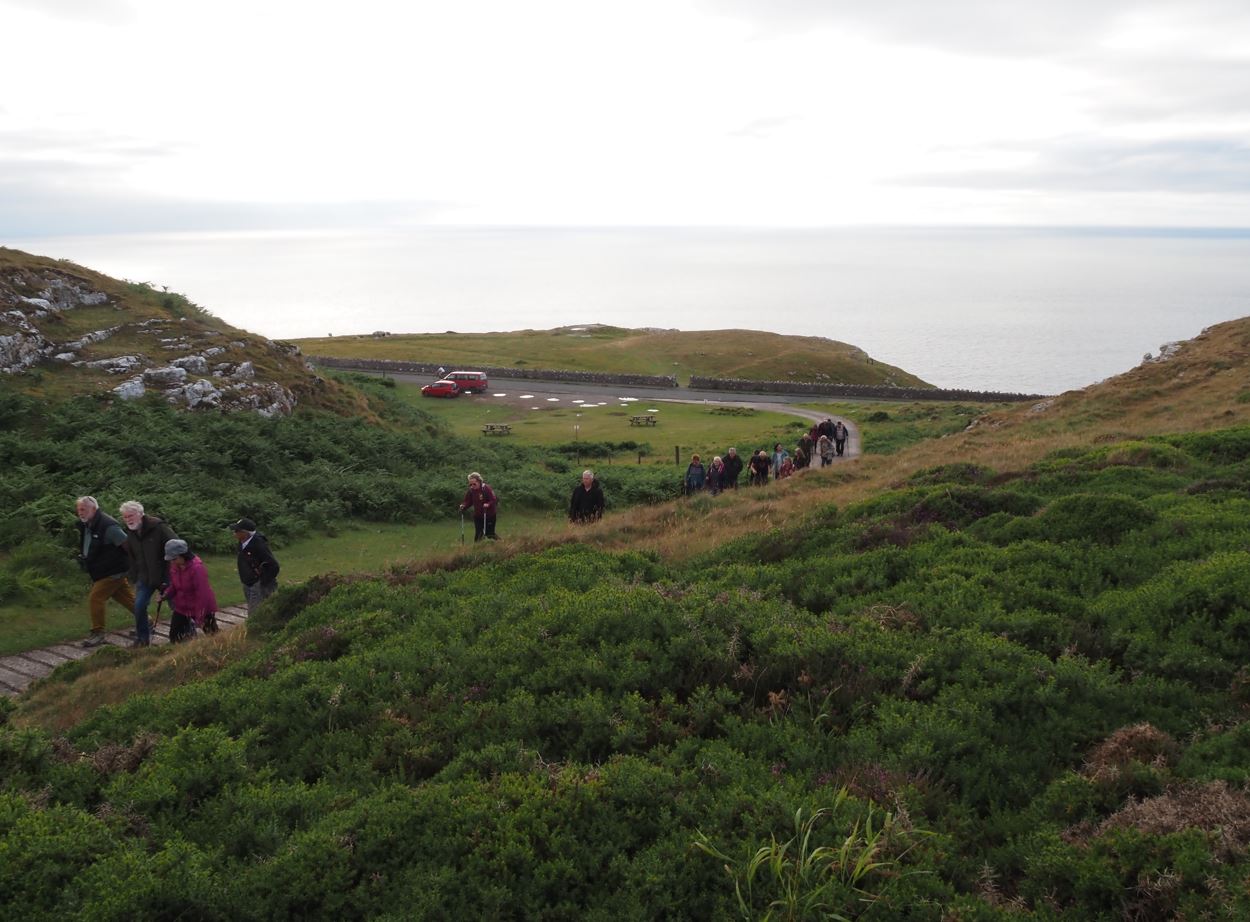
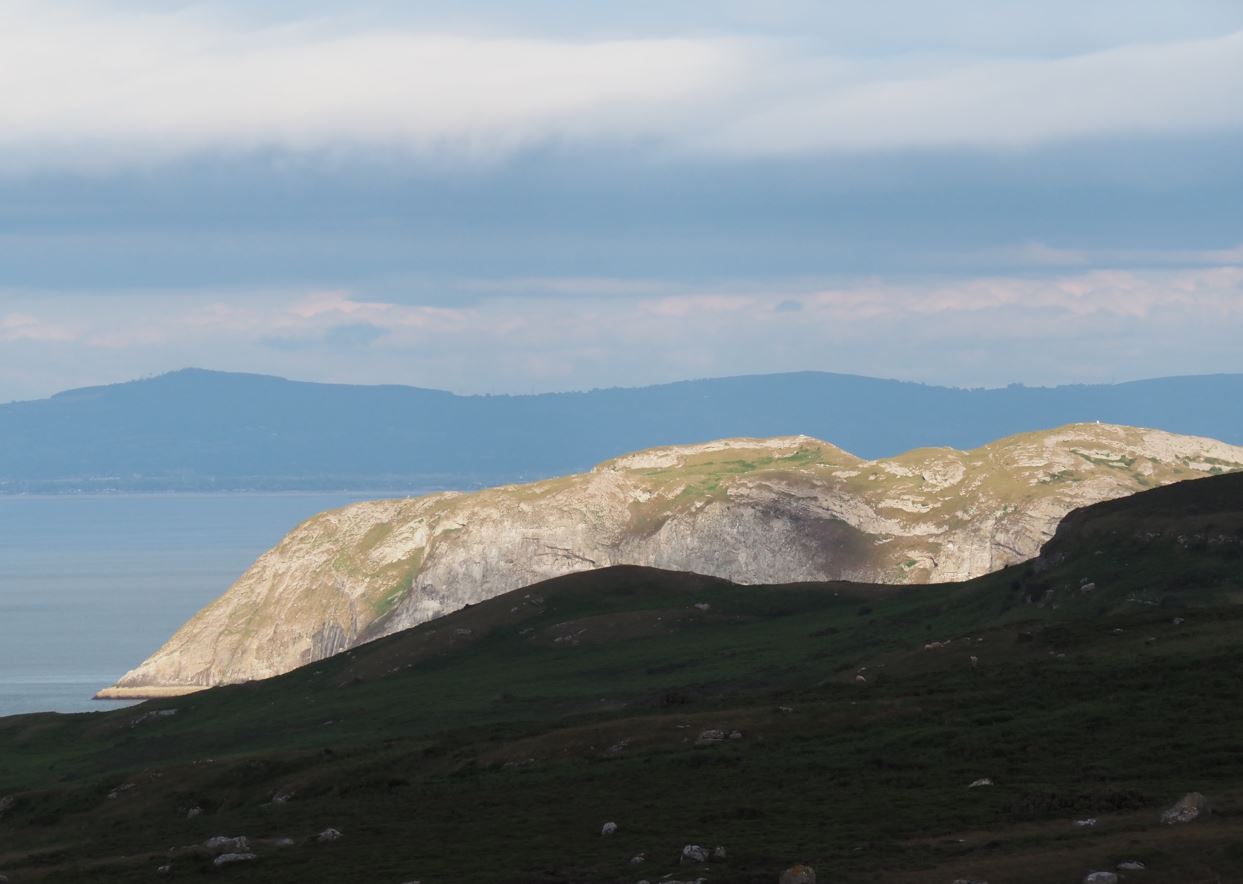
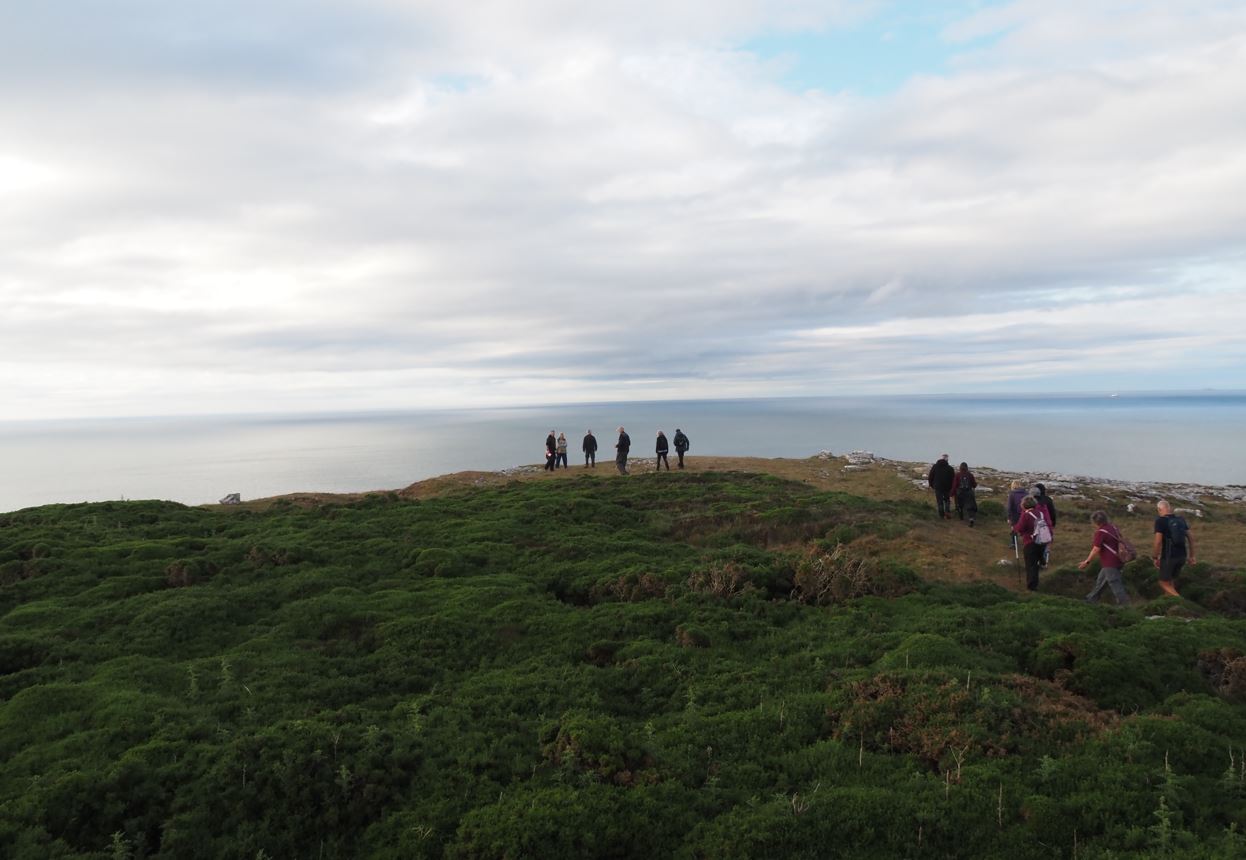

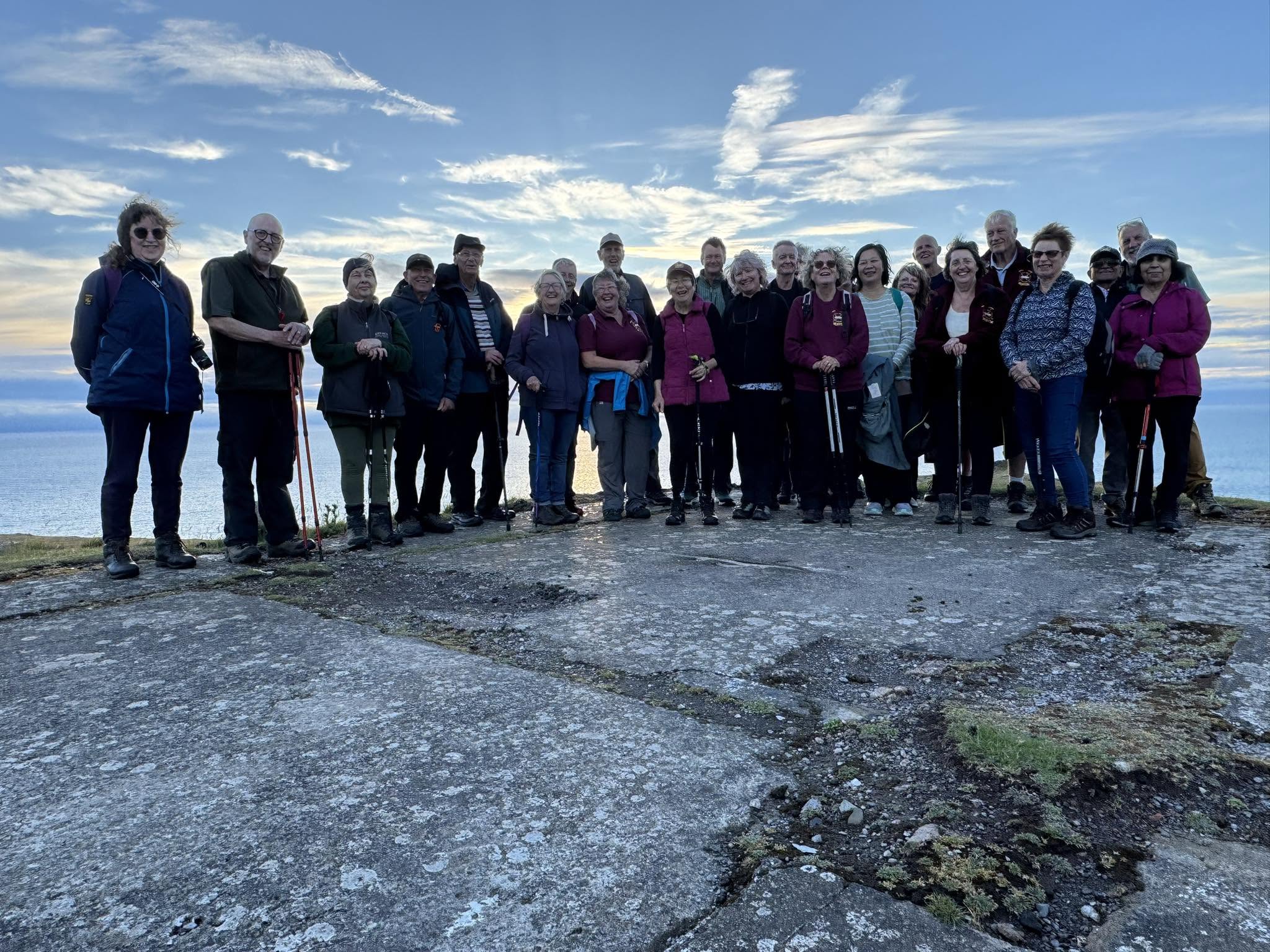
Many thanks to Adrian for leading this walk and thanks to Christine for the fantastic photo's.